Hey there, let’s cut to the chase – if you’re here because you’ve got a softshell jacket hanging in your closet, or you’re staring at a new one you just pulled out of the packaging, you’ve probably wondered at least once: Do I actually need to waterproof this thing? I’m a softshell jackets supplier, not some lab coat-wearing scientist, but I’ve spent years talking to outdoor folks, testing gear, and answering this exact question from buyers every single week. So let’s break this down like real people, no jargon, no fluff. Softshell Jackets

First, let’s get one thing straight – softshells aren’t rain jackets. That’s the biggest mix-up I see from new hikers, campers, or even commuters who grab a softshell thinking it’ll replace their go-to gore-tex shell. Hardshells (the thick, crunchy ones) are built to be fully waterproof, no ifs, ands, or buts. They’re laminated with a membrane that stops water from seeping through, even during a 2-hour downpour while you’re stuck waiting for a bus. Softshells? They’re the versatile middle kid of outdoor gear. They’re stretchy, breathable, thin enough to layer under a puffer on cold days, and tough enough to fend off light wind, mist, and that random drizzle that hits you on a trail. But “light” is the key word here.
Wait, so does that mean they can hold up to a little rain? Yeah, for a little while. Most mid-range softshells are treated with a DWR (Durable Water Repellent) coating when they’re made – that’s the invisible spray that makes water bead up and roll off, like a car’s wax job. But here’s the thing: DWR wears out. Fast. If you’re using your jacket regularly – hiking every weekend, biking to work in the rain, climbing rocks that scrape the sleeves – that coating starts to fade after 12 to 20 washes. Or even sooner, if you’re scrubbing it too hard with regular laundry detergent. Detergent breaks down the chemicals that make water bead, so after a few washes, your softshell might stop repelling water and start absorbing it like a sponge.
Now, let’s talk about when you actually need to re-waterproof it. If your jacket’s starting to feel damp when it’s just misty, or water soaks into the fabric instead of beading, that’s your sign. But wait – hold up. Re-waterproofing isn’t the same as the factory DWR. The products you use now (I’ve tested a bunch, trust me) are way different than the old school “scuff it on a rock and pray” or the can sprays that leave weird white marks. There are wash-in treatments that you just pour into your washing machine with the jacket, and spray-on ones that you can apply to tough spots like the shoulders or cuffs. Both work, but wash-in usually lasts a bit longer – like 15 to 25 uses, depending on how hard you’re on your jacket.
But here’s the part most people get wrong: You don’t need to waterproof a softshell for heavy rain. If you’re planning to spend all day in a thunderstorm, grab your hardshell, not your softshell. Softshells don’t have a waterproof membrane – that’s why they’re so breathable, right? The membrane in hardshells traps heat sometimes, making you sweat, but softshells let that moisture escape because they’re woven differently. So even if you coat your softshell in every waterproof spray on the market, it’s still not going to keep you dry in a downpour. It might fend off some surface water, but eventually, it’s going to seep through. That’s not a flaw – that’s just what a softshell is built for. It’s for when you’re moving – hiking fast, biking, skiing – so you don’t overheat. It’s not for when you’re standing still in a rainstorm.
Another thing I see: A lot of people think waterproofing will make their softshell waterproof. Nope. Let’s get science for a sec (simplified, I promise). DWR is a coating on the outside of the fabric, not a membrane inside. So it’s not stopping water from getting through the weave – it’s making water not want to stick to the fabric. The fabric itself is water-resistant, not waterproof. That’s a huge difference. Water-resistant means it can handle a little moisture, but waterproof means it won’t let any water in, no matter what. So when people ask me, “Can I make my softshell waterproof?” I say, “Not really – and here’s why that’s a good thing.” If you made a softshell fully waterproof, you’d lose all the breathability. You’d end up with a jacket that’s as sweaty as a garbage bag on a hot day. That’s the trade-off, and it’s one we designed into our softshells on purpose.
Wait, but what if you’re commuting in a city where it’s just light rain, not a thunderstorm? Does your softshell need a refresh? Absolutely. I’ve had customers come back to me saying, “My softshell was perfect for the first month, now it gets my shirt wet when I bike in the mist.” Nine times out of ten, they just never re-applied DWR. Their jacket’s original coating wore off, so the fabric starts soaking up the mist, and since there’s no membrane, that moisture gets through to your clothes. A quick wash-in treatment fixes that in a load of laundry – no messy sprays, no weird smells. I even tell our buyers to do this once a season, even if it’s not looking like it needs it. It’s way easier than realizing your jacket is letting water in mid-route.
But let’s talk about when you shouldn’t bother waterproofing. If you’re using your softshell as a mid-layer – like under a hardshell or a puffer – you don’t need to do it at all. The outer jacket will handle the rain, and your softshell is just there for warmth and breathability. Or if you’re only wearing it on cold, dry days – like a winter walk to the store, no rain in the forecast – leave the waterproofing stuff in the closet. It’s unnecessary, and you’ll just waste product you don’t need.
Also, let’s clear up a myth: Washing your softshell is fine, even if you’re worried about ruining it. A lot of people think you should dry clean it or hand wash it, but that’s not true (unless the tag says so, obviously). Just use a gentle detergent – no fabric softener, that also breaks down DWR – and wash it on a cold, delicate cycle. Tumble dry on low heat, maybe throw in a couple of tennis balls to fluff up the fabric. I do this with my own softshell, and it’s held up for 3 years now. If you skip the fabric softener and wash right, you won’t have to re-waterproof as often, either.
Now, as someone who sells softshell jackets, I’m not here to push you to spend more on a treatment you don’t need. I’m here to give you the real talk. Here’s the rule of thumb I share with every customer: If your softshell is for active use (hiking, biking, skiing) in light moisture – mist, drizzle, snow that’s not melting fast – then yes, re-waterproof it every 12-20 washes, or when water stops beading. If it’s for heavy rain, get a hardshell. If it’s a mid-layer, skip the waterproofing. That’s it. No fancy rules, no overcomplicating.
I’ve seen so many people waste money on over-waterproofing their softshells, or skip it entirely and end up soaked. The sweet spot is knowing what your jacket is made for, and matching your care to that. Our softshells are built to be durable, stretchy, and breathable – we don’t over-engineer them with membranes that add weight and cut down on movement. That’s why they’re such a staple for people who are on the go, not sitting still waiting for rain to pass.
At the end of the day, the answer isn’t a flat “yes” or “no.” It’s “it depends.” If you want your softshell to keep light moisture off your outer layer, then yes, a little DWR refresh goes a long way. If you think it’ll replace your rain jacket, no – don’t bother. It’s all about setting the right expectations.
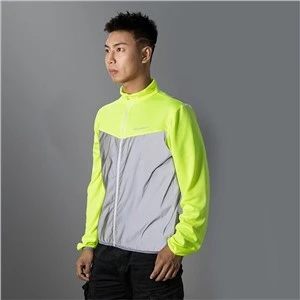
If you’re in the market for a softshell jacket that’s built to stand up to whatever you throw at it – whether that’s a drizzly trail run, a commute in the city, or a weekend camping trip – we’ve got you. We test every single one of our softshells with real users, not just lab machines, so you know they work how you need them to. If you’ve got questions, or you’re ready to chat about what’s right for your needs, hit us up. We’re here to help, not push a sale. Don’t overcomplicate the jacket game – we’ve got the gear, and we’ve got the straight answers.
Down Jackets References:
- Outdoor Industry Association. (2022). Performance Fabrics: Softshell vs. Hardshell Technology for Active Use. Outdoor Retailer Sustainability Report.
- Gore-Tex. (2021). Understanding DWR Coatings and Fabric Breathability in Outdoor Gear. Technical White Paper.
- Consumer Reports. (2023). Care and Maintenance of Outdoor Jackets: How to Extend the Life of Your Softshell. Consumer Gear Testing Guide.
Baoding Tianxing Garment Co., Ltd.
As one of the most experienced softshell jackets manufacturers and suppliers in China, we also support customized service. We warmly welcome you to wholesale bulk high quality softshell jackets at competitive price from our factory. If you have any enquiry about pricelist, please feel free to email us.
Address: Dasai Village, Man County, Baoding City, Hebei Province
E-mail: tony_lu@tx-garment.com
WebSite: https://www.tx-jacket.com/
