Hey everyone, let’s cut to the chase – if you’re knee-deep in researching solar power for your home or business, you’ve probably stumbled on “solar hybrid systems” and that big, nagging question: do you actually need a backup generator to go with one? As someone who’s been selling these systems for the last 7 years, I’ve heard this question at least a hundred times, and honestly, there’s no one-size-fits-all answer. But let’s break this down like I’d break it down for a customer walking into my shop – no fancy jargon, just real stuff. Solar Hybrid System
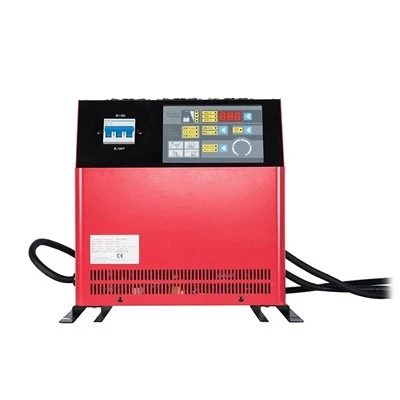
First, let’s recap what a solar hybrid system even is, because some people mix this up with regular grid-tied solar. Grid-tied is the basic setup: your panels make power, you use what you need, send extra back to the grid for a credit, and when the sun’s not shining, you draw from the grid. But if the grid goes down? Grid-tied systems shut off automatically for safety (that’s for lineworkers fixing power lines – you don’t want your solar feeding back to active lines and hurting someone). Enter solar hybrid systems: they have that extra battery bank (usually lithium-ion now, not those old clunky lead-acid ones) that stores excess solar power for later, plus a special inverter that talks to both the panels, batteries, and the grid. So when the lights go out, your hybrid system can switch over to run on battery power – that’s called islanding mode. Makes sense, right?
But here’s where the generator question pops up. A lot of people think “batteries = no generator needed” and others think “hybrid is useless without a big backup genny.” So who’s right? Let’s go through the scenarios that matter, starting with the big ones that affect most people.
First, let’s talk about daily, short outages. If you live somewhere with, say, 1-2 hour power blips a week from a random tree branch or squirrel chewing a line, a decent hybrid system with a properly sized battery? You probably don’t need a generator. Here’s why: modern home hybrid batteries (we install brands that do 5kWh to 20kWh for homes) can run your essential loads – fridge, lights, WiFi, router, a few outlets for your laptop or TV – for 12 to 24 hours, easy. We had a customer last month in Austin who had a 3-hour outage last Tuesday, and their 10kWh battery pulled through without a hiccup. They make enough solar on a normal day that their battery is usually 50-80% charged, so that outage didn’t even come close to draining it.
But wait, what if your outages are longer? Like, 24 hours or more, common if you live in a place with bad storms – think a hurricane that knocks down power lines for 3 days straight, or a winter ice storm that takes out grid infrastructure. That’s where people start wondering if a generator is necessary, and honestly, it depends on how you use power. Let’s say you have a 15kWh battery, and you run it hard – space heater, a well pump, maybe a fridge, lights, TV – that’s probably 3-5 kWh a day, so your battery would last 3 days max if it’s fully charged. But if the storm is worse, or you use more power than you thought (like if you have an electric heater running nonstop in cold weather), then yeah, your battery will run out. That’s where the conversation about generators comes in.
But here’s the thing I tell every customer: generators aren’t one-size-fits-all either, and hybrid systems can actually make generators work better, if you do need one. Let’s clarify: are you talking about a portable generator or a whole-home standby generator? Portable ones are cheaper ($500-$2,000) but they’re a pain – you have to haul gas, you can only run a few things at once, you have to be careful with carbon monoxide. Standby gens are installed outside, automatically kick on when the grid dies, and can power your whole home, but they cost $5,000+ plus installation, plus you have to buy propane or natural gas for them.
Now, how do they work with a hybrid system? If you have a hybrid setup, your generator doesn’t have to power the whole grid – it can just charge your batteries, which is way more efficient. Let’s say your battery is dead after a 3-day storm. Instead of running your genny to power every light and outlet (wasting gas), you can plug the generator into your hybrid system’s inlet, and it charges the battery in a few hours, then you run off the battery for the rest of the day. That saves you on fuel, and you don’t have to worry about monitoring the genny all day. We had a customer in Florida who had a generator paired with his 12kWh hybrid system during Hurricane Ian two years ago. The grid was down for 5 days, and he only ran the generator twice – each time for 2 hours to top up the battery – instead of running it 24/7. That saved him like $300 in gas, which is way better than the guy down the street who ran his whole portable gen nonstop for 5 days.
But wait a second – is there a case where you must have a generator with a hybrid system? Let’s get real about edge cases. First, if you have extremely high power needs. Like, if you run a commercial business out of your home – a restaurant with a commercial fridge and oven, a workshop with power tools, a medical device that needs constant power (like a CPAP machine that uses way more power than essential home loads). Even a big 20kWh battery can’t run a commercial oven all day, every day, during an outage. Those setups usually pair a hybrid system with a generator, sometimes even a small solar genset hybrid combo. Another edge case: if you live in an area with really long, frequent outages. Like, parts of Puerto Rico that had grid outages for weeks after Maria, or some remote mountain towns where outages are common for days at a time. Even with a big battery, if you’re going more than a week without grid power, you’re gonna want a way to top up your batteries, and a generator is a reliable way to do that, way more than relying on just solar panels (which don’t produce power at night, obviously).
But here’s the big myth I want to bust: you don’t need a generator just because you have a hybrid system. A lot of people buy a hybrid specifically because they don’t want to deal with a generator – they want the clean energy, the backup for short outages, and the savings from net metering. I’ve seen plenty of customers go with a 10kWh hybrid system, no generator, and they never regret it. For example, a customer in Portland had a 6kWh hybrid system, no generator, last winter when there was a 18-hour outage from an ice storm. They ran their fridge, space heater in their bedroom, lights, and WiFi, and their battery didn’t even get below 20% – because their panels made a little power during the day, even through cloud cover, to top it off. They texted me afterwards saying they didn’t even miss having a generator.
Another point to consider: battery tech is getting better every year. A few years ago, 5kWh was the average home battery, now we have 20kWh and even 30kWh options for larger homes. Some batteries even have “extended cycle” modes that let you draw more power without damaging them, so a 15kWh battery can last 3 days with moderate use. And as lithium-ion prices drop, batteries are getting more affordable, so you can size your battery bigger instead of adding a generator, if that makes more sense for your budget.
Wait, but what about cost? That’s the biggest factor for most people. Let’s do a quick math check. A mid-tier 10kWh hybrid system (panels, inverter, battery) is around $12,000-$15,000 after tax credits. A whole-home standby generator is $6,000-$10,000 plus installation, so adding that to a hybrid system would push you to $18,000-$25,000. If you only have 2-3 day outages a year, is that extra $6,000-$10,000 worth it? For most people, no. But if you have 5+ day outages every year, or high power needs, it is. That’s why we always do a free assessment with customers – we look at their power usage, their area’s outage history, and their needs, and tell them whether a generator makes sense for them, or if they can get away with just the hybrid system.
Also, let’s talk about reliability. Generators need maintenance – you have to change the oil, replace the spark plugs, test them every year, make sure the fuel doesn’t go bad. I’ve had customers who bought a generator and never used it, then when they needed it, it wouldn’t start because the fuel was old. Hybrid batteries? They’re way less maintenance – you just check them once a year during your system’s annual service, that’s it. So if you’re the type of person who hates maintaining extra equipment, a hybrid system without a generator is probably a better fit.
But wait, I don’t want to make it sound like generators are useless. They have their place. For example, if you live somewhere with frequent extended outages, a generator paired with a hybrid system is actually more reliable than a battery alone. Batteries can fail – lithium-ion batteries last 10-15 years, same as solar panels, but they can have issues if they’re overdrawn or not maintained. A generator is a separate backup that you can rely on when the battery is drained. Also, if you have a hybrid system for your business that runs critical equipment, a generator is a good safety net even if you have a big battery – better to be safe than sorry, right?
Another thing a lot of people don’t talk about: net metering. Most places let you sell excess solar back to the grid, which helps lower your electricity bill. If you have a generator, you’re not using that battery to store excess, so you’re not sending as much extra power back to the grid, which means lower net metering credits. That’s another way hybrid systems save you money – because the battery stores that extra solar for when you need it, so you don’t have to buy as much power from the grid when rates are high, and you still get your net metering credits when you do send power back. If you add a generator, you’re using power from the generator instead of the stored solar, which can eat into those savings.
Let me give you a real example from my business. Last quarter, we had 120 customers ask about hybrid systems, and 40 of them asked “do I need a generator?” Of those 40, 25 ended up going with just the hybrid system, no generator, 10 went with a generator paired with their hybrid, and 5 decided to go with grid-tied solar instead. The ones who went with just the hybrid were mostly people in areas with short outages, moderate power needs, and on a budget. The ones who went with generator + hybrid were people in hurricane zones, home business owners, and people with well pumps that need a lot of power. The ones who went back to grid-tied were people who almost never had outages, so the backup didn’t make sense for them.
So to sum up, the answer to “do solar hybrid systems require backup generators?” is: no, not usually. But it depends on your specific situation. Let’s list the quick rules of thumb I give every customer:
- If your outages are less than 24 hours, and you use moderate power (no commercial equipment, no super high usage), you don’t need a generator. A properly sized hybrid battery will cover you.
- If your outages are 2+ days, or you have high power needs, a generator is a good addition, especially since it works better with a hybrid than it does with a regular generator alone.
- If you rarely have outages at all, a hybrid might be overkill – grid-tied is cheaper and gives you similar savings, unless you want the backup for peace of mind.
Wait, peace of mind is a big one too. Some people just feel safer having a generator, even if they technically don’t need it. That’s totally valid! I have a generator at my own home, even though my hybrid system is enough for most outages. I live in a tornado zone, and we had an outage for 4 days a couple years ago, so I kept the generator. It’s not about need, it’s about what makes you feel secure. That’s why we never push customers to add a generator if they don’t want it – if you’re comfortable with a hybrid, that’s enough, and if you want the extra backup, we can help you pick the right generator that works with your system.
One more thing I should mention: when you’re shopping for a hybrid system, make sure the battery is sized right. A lot of cut-rate installers will sell you a tiny battery to save money, and then tell you “you need a generator” to make up for it. That’s a scam. A reputable installer (like us, obviously) will size the battery based on your essential loads, your area’s outage history, and your budget, so you don’t end up paying for extra stuff you don’t need.
If you’re still on the fence, here’s what to do: figure out how much power you use for essential stuff. Make a list: fridge, lights, WiFi, space heater, well pump, whatever you can’t live without. Add up the wattage, multiply by how many hours you’d need it during an outage. For example, 100W fridge, 50W lights, 20W WiFi: that’s 170W an hour, times 24 hours = 4.08 kWh. So a 5kWh battery is enough for a full day, and with a little solar during the day, you can go longer. If you need 3 days, that’s ~12kWh, so a 15kWh battery would cover that, no generator needed.
At the end of the day, solar hybrid systems are designed to give you power when the grid is down – that’s their whole thing. Generators are a great add-on, but they’re not a requirement. The best setup is the one that fits your home, your lifestyle, and your budget, not the one that some salesperson tells you you have to have.
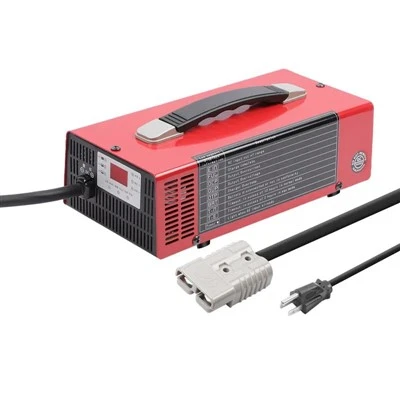
Lithium Battery Charger If you’re ready to stop stressing about power outages and start saving money on electricity, we can help you figure out exactly what setup is right for you. We do free, no-obligation assessments, no pressure sales, just honest advice from people who’ve been in this business for years. Reach out to us to chat through your needs, get a custom quote, and stop worrying about blackouts for good.
References
- Solar Energy Industries Association (SEIA). (2023). Hybrid Solar Systems: A Guide for Homeowners. Retrieved from industry publications on residential solar technology
- U.S. Department of Energy. (2022). Battery Energy Storage Systems for Residential Use. Retrieved from energy.gov
- North American Electric Reliability Corporation (NERC). (2023). 2022 Long-Term Reliability Assessment: Outage Frequency and Duration by Region
- International Code Council (ICC). (2021). Standby Generator Safety and Integration with Renewable Energy Systems
Huizhou Qiangfeng Power Technology Co., Ltd.
Huizhou Qiangfeng Power Technology Co., Ltd. is one of the most professional solar hybrid system manufacturers and suppliers in China, featured by quality products and good service. We warmly welcome you to buy customized solar hybrid system made in China here from our factory. If you have any enquiry about quotation and free sample, please feel free to email us.
Address: No. 28, Hu’ao Avenue, Shiwan Town, Boluo County, Huizhou City, Guangdong Province
E-mail: Komco@Jinlidianqi.cn
WebSite: https://www.autobatterychargers.com/
