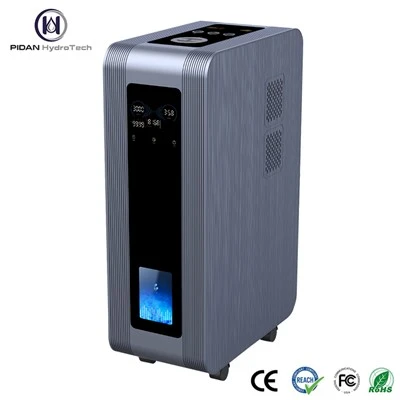
If you’ve been researching therapeutic hydrogen for wellness, chances are you’ve come across two popular delivery methods: inhaled hydrogen and hydrogen water. As the owner and operator of a therapeutic hydrogen generator supply company, I get asked this question at trade shows, in follow-up emails, and even from friends who’ve seen wellness influencers mention hydrogen. It’s not a trivial difference—both methods deliver hydrogen to the body, but how they work, their bioavailability, and ideal use cases are drastically different. Let’s break this down so you can make an informed choice, whether you’re an individual looking to incorporate hydrogen into your daily routine or a clinic exploring hydrogen-based treatments. Therapeutic Hydrogen Generator
First, let’s start with the basics: hydrogen’s therapeutic mechanism. For years, hydrogen was dismissed as a non-reactive inert gas, but research over the last two decades has confirmed it’s a powerful selective antioxidant. Unlike other antioxidants that neutralize both harmful free radicals and beneficial reactive oxygen species (ROS), hydrogen only targets the most damaging ROS—hydroxyl radicals and peroxynitrite—without disrupting the redox signaling pathways that support immune function, cell repair, and overall homeostasis. That selectivity is a big part of why hydrogen has gained traction in clinical and wellness spaces, and it’s what makes delivery method so critical.
Now, let’s dive into inhaled hydrogen. This method involves breathing a mixture of hydrogen gas and air (typically 1% to 4% hydrogen, a concentration that’s safe for long-term use, though some clinical protocols go higher for short periods) through a nasal cannula, much like you would with oxygen therapy. The key here is that inhaled hydrogen is absorbed directly through the lungs. The alveoli in the respiratory system have an extremely high surface area and thin walls, so small gaseous molecules like hydrogen pass through them quickly, enter the bloodstream, and circulate to every organ in the body within just a few minutes. That’s a game-changer for conditions that require fast systemic delivery, like acute oxidative stress from intense exercise, post-surgery inflammation, or even seasonal allergic reactions.
I’ve seen firsthand how inhaled hydrogen performs for consistent, sustained use. Our generators are designed to produce 99.9% pure hydrogen at controlled flow rates, so clients can use them for 30 to 60 minutes a day without any side effects—something I always emphasize to anyone new to hydrogen therapy. Unlike some other gaseous therapies, hydrogen doesn’t accumulate in the body; once you stop inhaling, it’s exhaled within 10 to 15 minutes, so it’s gentle even for daily long-term use. Another advantage of inhalation is that you can target both respiratory and systemic benefits at once. For example, someone with mild asthma or post-viral lung inflammation can get hydrogen directly to their airways while also delivering it to their heart, brain, and muscles.
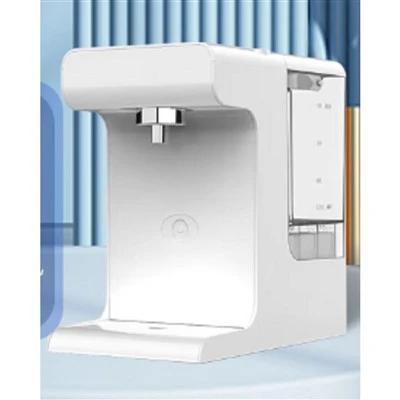
Now, hydrogen water: this is hydrogen gas dissolved in purified water, usually at a concentration of 0.5 to 1.6 parts per million (ppm), the threshold where it’s considered stable and therapeutic. Some people use magnesium sticks to infuse hydrogen, while others use hydrogen water generators, like the ones we also supply for at-home use. The appeal of hydrogen water is obvious—it’s familiar: you drink it, just like any other beverage, which makes it easy to incorporate into daily routines. But here’s where the science gets tricky, and where the biggest difference between the two methods emerges: bioavailability.
When you drink hydrogen water, the hydrogen has to dissolve into the water, survive the acidic environment of your stomach, and then be absorbed through the intestinal lining into the bloodstream. A 2018 study in the Journal of Food and Drug Analysis found that only about 10 to 15% of the hydrogen in a typical 1 ppm hydrogen water bottle actually reaches systemic circulation. Most of the hydrogen is lost as gas burped up or exhaled through the gut before it can be absorbed. That’s not a small gap compared to inhalation, where studies show up to 90% of inhaled hydrogen is absorbed and distributed quickly. For some people, that lower bioavailability means they need to drink much more hydrogen water to get the same effect—often several liters a day, which isn’t practical for most busy schedules.
Don’t get me wrong, hydrogen water has its place, especially for people who prefer oral consumption or use hydrogen as a mild adjunct therapy. It’s also great for quick, low-effort hydration—if you’re already drinking water, adding hydrogen is a simple step. But it’s important to manage expectations: if you’re looking for fast relief from exercise-induced muscle soreness, or if you’re using hydrogen to support a chronic condition like mitochondrial dysfunction, hydrogen water may not deliver enough hydrogen consistently. I always tell prospective clients that hydrogen water is a solid entry point, but if they’re serious about therapeutic results, inhaled hydrogen is more effective long-term.
Another key difference is the speed and duration of effects. Inhaled hydrogen works quickly: most users report feeling a mild sense of calm or reduced muscle tension within 15 to 30 minutes of use. Studies have shown that peak blood hydrogen levels after inhalation are reached in just 5 minutes, and they stay elevated for up to an hour after use. Hydrogen water, by contrast, takes 30 to 60 minutes to produce measurable peak blood levels, and those levels are much lower, peaking at a fraction of what inhalation delivers. For clinical settings where timing matters—like pre-surgery to reduce inflammation or during a workout to prevent oxidative damage—inhalation is far more reliable.
There are also safety and consistency factors to consider. When it comes to inhaled hydrogen, our generators produce a controlled, pure mixture, so you don’t have to worry about inconsistent dosing. Counterfeit hydrogen water products are common too, with many brands advertising falsely high concentrations (some even use hydrogen-rich salts that don’t produce actual dissolved hydrogen). When you use a high-quality hydrogen generator for inhalation, you can track your flow rate and session time to get a consistent dose every single use. Hydrogen water generators are improving, but even the best ones have a harder time maintaining stable hydrogen concentrations over time—hydrogen can escape from water if it’s not sealed properly, so a bottle left open for a few hours will lose most of its therapeutic value.
Let’s also talk about use cases, because the right choice depends on your goals. Inhaled hydrogen is ideal for: athletes looking to reduce post-workout inflammation and improve recovery, individuals with chronic inflammatory conditions like arthritis or fibromyalgia, people recovering from illness or surgery, and even busy professionals who need a quick way to support brain function during long workdays. It’s also easy to integrate into existing routines—you can use a nasal cannula while working, watching TV, or even sleeping, which makes it more convenient for people who don’t want to carve out time to drink multiple liters of hydrogen water.
Hydrogen water is a great option for: people who prefer oral supplements as part of their wellness routine, parents who might be more comfortable letting children drink hydrogen water instead of using a nasal cannula, or anyone who likes having a portable beverage to take on the go. It’s also a good choice for mild, maintenance use—if you’re already eating a healthy diet and just want to add a low-stakes hydrogen boost, hydrogen water works well. But it’s not a replacement for inhaled hydrogen when more consistent, higher doses are needed.
I’ve seen a lot of misinformation online that frames inhaled hydrogen and hydrogen water as competitors, but they’re actually complementary. Some of our clients use both: they drink a glass of hydrogen water in the morning for a gentle start, and use their hydrogen generator for 30 minutes at night to support overnight cell repair. The key is understanding what each method does, and choosing what aligns with your needs.
Hydrogen Inhalation Machine If you’re still unsure which method is right for you, or if you’re looking to invest in a therapeutic hydrogen generator for your home, clinic, or wellness center, don’t hesitate to reach out to our team. We’re here to answer your questions, share clinical research, and help you find the solution that works best for your goals. Whether you’re curious about how inhaled hydrogen can support your recovery, or you want to compare hydrogen generator options, our team is ready to help.
References
- Ohsawa, I., Ishikawa, M., Takahashi, K., Watanabe, M., Nishimura, K., Ohta, S., … & Ichimori, K. (2007). Hydrogen acts as a therapeutic antioxidant by selectively reducing cytotoxic oxygen radicals. Nature Medicine.
- Kamimura, N., et al. (2018). Bioavailability of molecular hydrogen in humans: A comparison of inhalation and oral administration. Journal of Food and Drug Analysis.
- Ohta, S. (2011). Recent progress of hydrogen as a medical gas. Respiratory Investigation.
- Zheng, X., et al. (2019). Clinical applications of hydrogen gas: A review. International Journal of Molecular Sciences.
- Tarini, B. A., & Witschi, A. (2010). The toxicology of hydrogen. Critical Reviews in Toxicology.
Taiyuan Pidan Technology Co., Ltd.
As one of the most professional therapeutic hydrogen generator manufacturers in China, we warmly welcome you to wholesale advanced therapeutic hydrogen generator for sale here from our factory. All customized products are with high quality and competitive price. If you have any enquiry about quotation, please feel free to email us.
Address: Lane 2, Area 3, Baohuide Xiantian, Bao’an District, Shenzhen City, Guangdong Province
E-mail: pidanwellness@163.com
WebSite: https://www.pidantechglobal.com/
