Hey there, if you’re reading this, chances are you’re either shipping EN high strength steel plates for work, or you’re about to take the plunge and figure out how not to mess up this whole transport thing. I’ve been in the game for 7 years, running the EN high strength steel plate supplier side, and let me tell you—nothing stings worse than getting a call from the trucking company saying a stack of plates got scratched, dented, or even bent mid-transit. Those mistakes aren’t just annoying; they cost money, delay projects, and make clients side-eye you. Today, I’m breaking down exactly how we get our plates from our warehouse to your job site without a single problem—no fancy jargon, just real stuff that works. EN High Strength Steel Plate
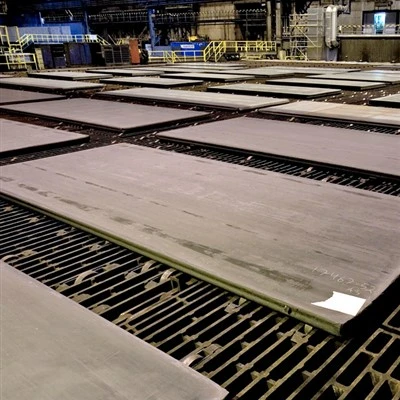
First things first, let’s get on the same page: EN high strength steel isn’t your regular mild steel. It’s way stronger, lighter for its weight, and way more prone to damage if you don’t treat it right. Scratches might seem minor, but they can mess with the plate’s structural integrity, especially if it’s going into something like construction, heavy machinery, or offshore rigs. That’s why the first step starts long before the plates even leave our warehouse—we call that pre-shipment prep, and it’s non-negotiable.
Wait, before I go further, a quick disclaimer: I’ve seen guys skip these steps and get burnt, so don’t take this lightly. Alright, pre-shipment. We don’t just throw a bunch of plates together and load ‘em up. First, every single plate gets inspected for surface flaws before we even wrap them. Even a tiny scratch here and there is noted, because if it gets worse in transit, we’re the ones on the hook. Then, we sort them by size and thickness. Here’s the thing—thicker plates are heavier, so stacking them on top of thinner ones is a big no-no. That’s a rookie mistake. We always put the thickest, heaviest plates at the bottom of the stack, then work our way up to the thinner, lighter ones. That keeps the weight evenly distributed, no uneven pressure bending plates.
Next up, separating plates. A lot of suppliers just stack plates directly on top of each other, and when they shift, the edges grind together leaving ugly scratches. We use what’s called interlayer spacers—they’re basically thick, durable rubber or corrugated plastic pads that go between every plate. Why? They don’t slip, they absorb vibration, and they create a tiny gap so air can circulate. Wait, air circulation is a big one, actually. If plates are stacked tight without airflow, condensation builds up, and rust starts to form. Even EN high strength steel can rust if it’s exposed to moisture for days on end in a closed truck. The spacers also make loading and unloading easier, no one’s fighting to pry plates apart with a crowbar.
Then, we wrap the whole stack. Not plastic wrap that’ll tear in 5 minutes—we use heavy-duty, UV-resistant shrink wrap. Wait, why UV-resistant? Because if the truck’s sitting in the sun for a few hours at a stop, regular shrink wrap breaks down. UV-resistant stuff stays intact, keeps moisture and dust out. We also add corner protectors. The edges of steel plates are sharp as hell, and they can tear through shrink wrap, or get banged up when the truck hits a pothole or stops suddenly. Corner protectors are made of hard plastic or even thick cardboard for smaller loads, and they cover the four corners of the stack like a little armor. That’s pre-shipment done right—no corners cut here, promise.
Now, the next part is choosing the right transport method. A lot of people just grab the first truck they find, but not all trucks are made for hauling heavy steel. Let’s talk about the two main options: flatbed trucks and enclosed trailers. Flatbeds are super common for large, bulky plate loads. They’re cheaper, easier to load/unload with a crane, which is perfect for big plates. But flatbeds are open to the elements—rain, snow, wind, even road debris flying up. If you’re hauling EN high strength steel in a flatbed, you have to make extra sure the wrap is UV-resistant, and maybe add a weatherproof tarp on top, stretched tight so it doesn’t flap around in the wind and cause damage.
Enclosed trailers are better if you’re hauling smaller, more delicate loads, or if the trip is long and goes through harsh weather. They keep the plates completely protected from rain, snow, and dust, which is a huge plus. But they’re more expensive, and the loading capacity is lower than a flatbed. We usually recommend enclosed trailers for loads going to offshore projects or remote areas where weather is unpredictable. Also, never use a pickup truck for hauling more than one or two small plates. Pickups don’t have the weight capacity or the secure tying points, and you’ll end up with plates bouncing around, scratching each other or the truck.
Now, the part that 90% of the damage comes down to: securing the load. I can’t stress this enough—even if you prep the plates perfectly, if they slide or shift mid-drive, everything gets messed up. First, the flatbed or trailer has to have a proper surface. We always put down a layer of anti-slip matting on the flatbed before loading the stack. That prevents the whole stack from sliding forward or backward when the driver brakes or accelerates. The matting is thick rubber, holds the stack in place way better than just bare metal.
Next, how to tie the plates down. We use heavy-duty ratchet straps, not those flimsy rope or bungee cords. Bungees stretch, rope slips, and both will let go on the highway. Ratchet straps are strong, give you a tight, even tension. How many do you need? For a standard stack of EN high strength steel plates, we use at least four straps—two on the front of the stack, two on the back. Wait, also, if the stack is extra long (like 20 feet or more), we add two more straps in the middle to prevent sagging. Sagging is another big one—if the middle of the stack sags under its own weight, you get bent plates, which are useless for most projects.
Here’s a pro tip we learned the hard way: never tie the straps just tight enough to hold, and don’t tie them directly over the sharp edges of the plates. The edges can cut through the strap, or put too much pressure in one spot, causing a dent. We always place the straps over the corner protectors we put on earlier, so the pressure is spread evenly across the stack. Also, after tying, we do the “wiggle test”—grab the top of the stack and try to move it side to side, forward and back. If it moves more than an inch, the straps are too loose. Retighten them. And when the driver is done, he should write down that he checked the straps before hitting the road, just in case something shifts on the drive.
Then, driver training. This is something a lot of suppliers overlook. We don’t just hand the keys to any truck driver to haul our EN high strength steel. We require all our contracted drivers to be trained in hauling heavy, oversized loads, especially steel. They need to know how to handle sudden stops, how to drive on rough roads without bouncing the load, how to check the straps every 50 miles or so (we tell them to stop at rest stops, check all straps, make sure nothing’s shifted). Some drivers think hauling steel is just like hauling furniture, but it’s not—heavy loads need to be driven slower, with more space between other cars, so they don’t have to brake hard. I once had a driver who’d rush and brake too hard going down a hill, and we got a call that the whole stack shifted forward, bending three plates. That driver got dropped, no questions asked.
Wait, what about long-distance trips vs. local trips? Local trips are easier, obviously, shorter time on the road. But even for 50-mile local hauls, we still do all the pre-shipment steps, because a bumpy back road can cause just as much damage as a 1000-mile highway trip. For long-distance trips (over 500 miles), we add an extra layer: we label every corner of the stack with the load number and a “this side up” sticker. That way, if the truck has to be unloaded and reloaded at a terminal (which sometimes happens for cross-country trips), the guys handling it know exactly how the stack should be placed, no flipping it upside down which would bend all the plates.
Also, what about handling at the destination? A lot of damage happens when unloading, not during transport. We give our clients a free guide on how to unload EN high strength steel plates safely. No slamming plates on the ground when they’re unloaded from the truck. Use a crane with soft slings, not metal hooks, to lift the stack. Metal hooks can scratch the plates. If you don’t have a crane, use a forklift with wide forks, and never drive the forklift over the plates. That’ll bend them.
Let me throw in a real example to make this concrete. Last year, we had a client who tried to save a few bucks by using a local trucking company that didn’t follow any of these steps. They stacked thick plates on top of thin ones, no spacers, just a single tarp tied with rope. When the plates arrived, 12 had deep scratches, 3 were bent, and they had to send them all back, costing them $15k in delays and us $2k in replacement plates. That’s why all these steps matter—they’re not just rules, they’re to keep everyone happy.
Wait, are there any exceptions? Sure. If you’re only shipping one or two small EN high strength steel plates, like 4×4 feet, you can skip some of the bulk steps, but not all. Still use interlayer spacers to prevent scratching, use a ratchet strap to hold them in the truck bed, cover them with a tarp. Even small plates can get damaged if you’re not careful.
Another thing: weather. If it’s raining, never leave the plates uncovered in a flatbed. Even a few hours of rain can cause surface rust, which is a big problem for structural uses. We always have tarps on hand at our warehouse, and we make sure the truck driver has a heavy-duty, waterproof one if he’s hauling in bad weather. And if it’s extremely hot? Don’t leave the shrink wrap sitting in the sun for days, it can melt and tear. We try to schedule shipments for cooler times of day during summer, when possible.
At the end of the day, transporting EN high strength steel safely is all about attention to detail. It’s not rocket science, but it’s not just throwing stuff together either. As a supplier, our job isn’t just to sell you the plates—it’s to make sure they arrive exactly as we shipped them, so your project doesn’t get delayed, and you don’t have to deal with headaches.
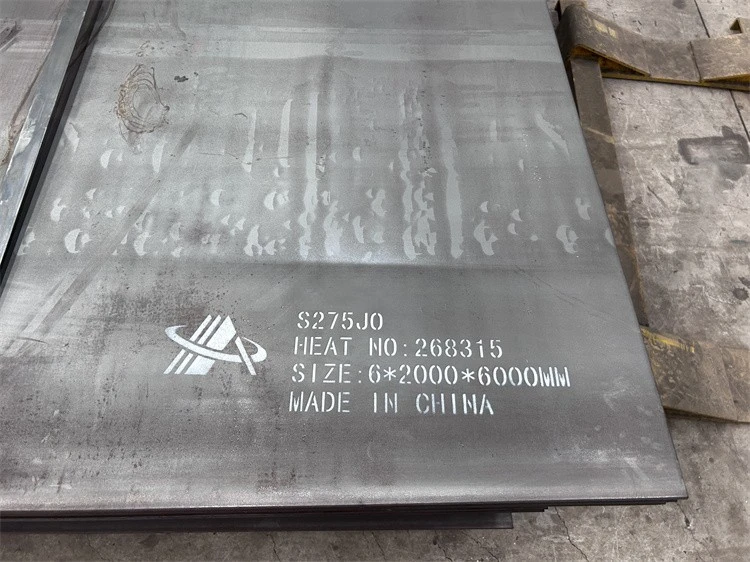
If you’re in the market for EN high strength steel plates, or you need help figuring out how to transport them safely for your next project, hit us up. We’ve got years of experience, we work with trusted, trained trucking partners, and we’ll make sure your plates get to you in perfect condition. No surprises, no damaged goods, just reliable service.
EN High Strength Steel Plate References
- Steel Transport Safety Guidelines, American Iron and Steel Institute
- EN 10025: Technical Delivery Conditions for Structural Steel Plates
- Occupational Safety and Health Administration (OSHA) Guidelines for Heavy Load Transport and Securement
- Industrial Steel Packaging Association: Best Practices for Interlayer Spacing and Load Securement1. Steel Transport Safety Guidelines, American Iron and Steel Institute
- EN 10025: Technical Delivery Conditions for Structural Steel Plates
- Occupational Safety and Health Administration (OSHA) Guidelines for Heavy Load Transport and Securement
- Industrial Steel Packaging Association: Best Practices for Interlayer Spacing and Load Securement
Gnee Steel (Tianjin) Co., Ltd.
As one of the most professional en high strength steel plate manufacturers and suppliers in China, we also support customized service with low price. We warmly welcome you to buy high quality en high strength steel plate in stock here from our factory. If you have any enquiry about free sample, please feel free to email us.
Address: No.4-1114, Beichen Building, Beicang Town, Beichen District, Tianjin, China
E-mail: alloy@gneesteelgroup.com
WebSite: https://www.chinavesselplates.com/
