If you’ve ever watched a belt type wood chipper at work—its sharp blades whirling through logs, branches, and scrap wood with steady, unrelenting force—you might’ve found yourself wondering: what’s keeping that machine running? As someone who’s supplied belt type wood chippers for over a decade, I can tell you this isn’t a random question. The power source isn’t just a component; it’s the backbone that determines how well the chipper handles different materials, how much fuel it uses, and how long it lasts on a job site. Over the years, I’ve seen customers make choices here that either make their work soar or lead to costly downtime, so let’s break this down in plain, practical terms, no jargon required. Belt Type Wood Chipper
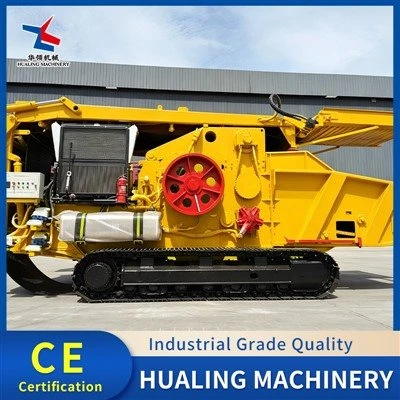
First, let’s set the basics: a belt type wood chipper gets its name from the system that transfers power from its energy source to the cutting mechanism (the rotor with blades) and the feed system (which pulls wood into the chipper). Unlike direct-drive chippers that mount the engine directly to the rotor, belt type models use heavy-duty V-belts and pulleys to connect power. That design might sound simple, but it shapes every power choice a buyer makes.
The two main power sources we supply for belt type wood chippers are gasoline engines and electric motors—and each has its place, depending on where you’re working, how big the job is, and what rules you’re following. Let’s start with gasoline because it’s the most common for mobile, on-site work, which is what many of our customers need. Gasoline engines are self-contained; they carry their own fuel, so you don’t need access to a power grid, which is perfect for tree trimming jobs in a residential neighborhood, clearing fallen trees in a national forest, or working on a remote construction site with no hookups.
But not all gasoline engines are the same, and the power they deliver directly impacts how well the chipper performs. For small, light-duty jobs—like turning small branches or yard scraps into mulch for a home garden—we pair compact, 13 to 18 horsepower gasoline engines with our belt type chippers. These are light enough to tow behind a pickup truck, easy to start for a one-person crew, and have just enough power to handle material up to 4 inches in diameter. But if you’re a professional arborist or a land clearing contractor dealing with larger logs (up to 8 inches thick) and dense hardwood, you’ll want a 25 to 40 horsepower gasoline engine. I’ve seen firsthand what happens when someone skips this step: they try to run a big log through a chipper with an underpowered engine, the belt slips, the rotor slows down, and they’re stuck replacing a worn belt or even damaging the engine’s starter. That’s why we design our belt systems with oversized, heat-resistant belts for higher horsepower models—they can handle the torque when a log first hits the blades without slipping, which extends both the belt’s life and the chipper’s overall lifespan.
Now, electric motor-powered belt type wood chippers are the other key option, and they’re growing in popularity for good reason. If you’re working in a fixed location—like a landscaping yard, a recycling facility, or a wood processing plant where you have access to three-phase power—electric motors are the way to go. They’re quieter, produce zero emissions (which is a big plus for enclosed areas or projects in residential zones where noise and air quality rules are strict), and have lower operating costs in the long run. An electric motor converts almost 90% of the energy it uses into mechanical power, compared to a gasoline engine which converts only about 25 to 30%, so you’re not wasting energy on heat or exhaust. For many of our commercial customers, that adds up to hundreds of dollars a month in saved fuel costs.
But electric power for belt type chippers isn’t just plugging into a standard outlet—you need the right voltage. Smaller electric chippers for light yard work run on 110-volt power, but again, if you’re handling large material, you need a 220-volt or three-phase electric motor. Three-phase power is especially important for heavy-duty models because it delivers a steady, continuous flow of energy, which prevents the rotor from slowing down when you load a big log. I’ve had customers come to us after buying a cheap 110-volt electric chipper, try to run a 6-inch log through it, and blow the circuit breaker before the log even goes in. That’s a mistake we work hard to help them avoid by matching the right power source to their job size.
Wait, you might be wondering why we don’t use diesel engines as a third option. The truth is, diesel is rarely used in belt type wood chippers for two main reasons. First, diesel engines are heavier, which makes the chipper harder to tow or move around a job site—something most of our customers need. Second, diesel engines cost more to buy and maintain, and for the average user, the extra power they deliver isn’t worth the extra expense. We do sell a few diesel-powered models for specialized jobs, like heavy industrial wood recycling, but that’s a small niche compared to gasoline and electric.
Now, let’s talk about a common misconception: the power source is just about the engine’s horsepower, right? Not exactly. The belt system itself is a critical part of how that power is delivered, which is why we’ve refined our belt design over the years. A lot of cheap chippers use standard rubber belts that stretch or wear out quickly under the constant torque of a wood chipper. Our belt type wood chippers use aramid-reinforced V-belts—similar to the belts used in heavy-duty farm equipment—that can handle 2 to 3 times more torque than regular rubber belts. That means when you hit a tough knot in a log, the belt doesn’t slip, the engine doesn’t strain, and you get more consistent cuts. We also add a belt tensioner that’s easy to adjust, so customers can tighten the belts themselves instead of hiring a mechanic, which saves time and money on job sites.
Another thing that matters for power is cooling. If you’re running a chipper all day, the power source can overheat, especially in hot weather. Gasoline engines have air-cooling systems that work well, but if you’re running a heavy-duty model for 8 hours straight, you need to make sure the cooling fins are clean. Electric motors, on the other hand, often use liquid cooling for high-horsepower models, which keeps the motor at a steady temperature and prevents it from shutting down unexpectedly. I once had a customer in Florida call us panicking because his chipper kept shutting down in 95-degree heat. Turns out, he had a cheap gasoline engine without a proper cooling system, and it was overheating. We helped him upgrade to a model with a larger air filter and improved cooling fins, and he hasn’t had that problem since.
Now, let’s talk about choosing the right power source for your needs, because that’s the biggest question we get from potential buyers. If you’re a homeowner with a small yard, doing a few hours of mulching a month, a 13 horsepower gasoline-powered belt type chipper is perfect. It’s portable, easy to start, and cheap to operate. If you’re a landscape company with multiple job sites a week, a 25 to 30 horsepower gasoline model that can tow behind a van gives you the flexibility to work anywhere. If you have a fixed recycling yard and need to run the chipper 8 hours a day, an electric model with three-phase power will save you money on fuel and keep your operation running quiet and clean.
I also want to mention a key advantage of belt type power systems over direct-drive, which is why so many professionals prefer our belt type wood chippers. If a belt type chipper hits a hard object—like a metal nail in a log, which happens way more often than you’d think—the belt slips instead of damaging the engine or rotor. With direct-drive chippers, that metal object can break blades, crack the rotor, or even destroy the engine, leading to thousands of dollars in repairs. That’s a huge safety and cost benefit, and it all ties back to how the power is delivered through the belt. I’ve seen that happen to a competitor’s chipper on a job site, and it shut them down for a week. Our customers almost never have that problem because the belt acts as a built-in safety buffer.
Over the years, I’ve seen technology change how power sources work for belt type wood chippers. A few years ago, all gasoline engines were carbureted, which meant you had to adjust the choke every time you started it, especially in cold weather. Now, most of our models use electronic fuel injection (EFI) engines, which start easier, use less fuel, and run cleaner. For electric models, we’ve added variable speed controls, so you can adjust how fast the feed system pulls wood in based on the material—slower for dense hardwood, faster for soft branches. That makes the power source even more versatile.
At the end of the day, the power source of a belt type wood chipper isn’t just a part—it’s the heart of the machine. It determines how much you can cut, how much it costs to operate, how much downtime you’ll have, and even how safe it is to use. That’s why we don’t just sell chippers; we take the time to understand what each customer needs, whether they’re a homeowner with a few trees to trim or a large landscaping company handling hundreds of yards of wood scrap a month. We don’t push one power source over another; we match the right power to their job, so they get the most value from their investment.
If you’re in the market for a belt type wood chipper, or you’re looking to upgrade your current one, don’t just focus on horsepower alone. Ask about the power source, the belt system, cooling, and whether it’s designed for your specific type of work. The right choice here will save you time, money, and frustration for years to come.
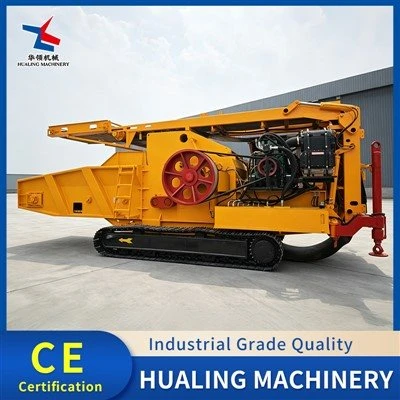
For more information on choosing the right belt type wood chipper power source, or to discuss your specific needs, feel free to reach out for a consultation and quote.
Wood Hammer Mill References
- American Society of Agricultural and Biological Engineers. (2021). Standard for Wood Chippers: Performance and Safety Requirements.
- Forest Products Laboratory, U.S. Department of Agriculture. (2020). Portable Wood Processing Equipment: Power Source and Efficiency Guidelines.
- International Electrotechnical Commission. (2019). Safety of Electric Motor-Driven Wood Chippers for Commercial Use.
- Heavy Equipment Manufacturers Association. (2022). Best Practices for Maintaining Power Transmission Systems in Belt-Driven Forestry Equipment.
Shandong Hualing Machine Manufacturing Co., Ltd.
As one of the most professional belt type wood chipper manufacturers and suppliers in China, we also support customized service with low price. Please rest assured to buy discount belt type wood chipper in stock here from our factory. If you have any enquiry about quotation, please feel free to email us.
Address: Industrial Park, Dagong Village, Changshan Town, Zouping City, Shandong Province
E-mail: hualing@sdhualing.com
WebSite: https://www.hualingmachine.com/
