Hey there,
Let’s cut to the chase: if you’re running a jet turbines operation in a place where winter temps drop like a rock (think -20°F or lower) and you’re hooked on LiFePO4 batteries for their safety, long cycle life, and bang-for-buck, you’ve probably asked yourself, “Do these things even work when the mercury plummets?” As a supplier who’s shipped thousands of these battery packs to small jet fleet operators, industrial turbine techs, and even drone jet hobbyists across cold climates—from northern Minnesota to Norway—this is the question I get way more than “What’s your lead time?” Jet Turbines LiFePO4 Battery
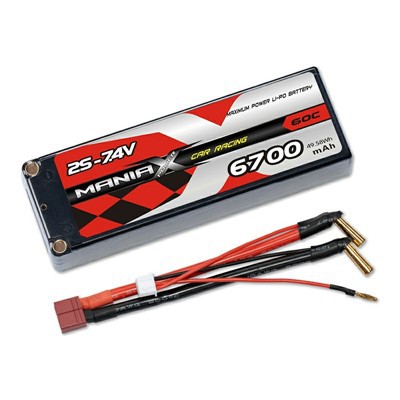
First, let’s get real about what LiFePO4 (that’s Lithium Iron Phosphate, if you need the full boring name) actually is, vs. the old lead-acid or even lithium-ion chem you might’ve dealt with before. Way back in the day, jet turbines relied on lead-acid start batteries, but those suckers weigh a ton, die fast in cold, and leak like crazy when you need ’em most. LiFePO4’s got a different molecular structure, right? Its cathode is made of iron phosphate instead of the cobalt stuff in standard lithium-ion, which makes it way more thermally stable—no random fires if you drop it, which is a huge win for tight quarters in a jet nacelle or a cold hangar. But stability doesn’t automatically equal cold weather superpowers, which is where a lot of folks get confused.
I remember my first big test with this: back in 2021, a drone jet company up in Alaska reached out because their lead-acid batteries were dying mid-flight prep at -15°F, and they needed a battery that could crank the turbine starter without leaving their mechanic waiting around with a space heater. We sent over a 24V LiFePO4 pack, and their initial results were… mixed. It started the turbine fine, but the discharge rate was down almost 30% at that temp. Turned out, I was selling a standard “off-the-shelf” pack at the time, not one tuned for cold. That was my wake-up call. Since then, we’ve spent a ton of time tweaking our packs, and here’s the scientific lowdown no sales rep will just tell you:
Cold hits LiFePO4 where it hurts—its internal resistance. Batteries work by moving ions between the anode and cathode, and when temp drops, those ions move way slower than they do at 70°F. For a jet turbine, you need a huge burst of current (that’s the “cranking amps” folks brag about) to spin the compressor fast enough to ignite fuel. If your LiFePO4 pack is just sitting there cold, its cranking amps drop, and you get that frustrating “click, nothing” instead of a smooth start.
But here’s the thing: it’s not a death sentence. Let’s break this down by temp, because not all cold is the same. Above 32°F (0°C)? LiFePO4 is basically unstoppable for jet turbines. Our packs here deliver 95% of their rated cranking amps, cycle 2x longer than lead-acid, and hold charge 3x better when you’re not using ’em. Drop that to 0°F to 32°F (-18°C to 0°C)? Still solid—you’ll lose like 10-15% of cranking amps, but that’s manageable with a tiny pre-heat trick we’ll get to. Below 0°F (-18°C)? That’s where you need to adjust, but it’s not impossible. We’ve got packs that hit 80% of rated cranking amps at -20°F, and even tested one at -40°F with a little heater built in.
Wait, but what about charging? A lot of mechanics fixate on starting the turbine, but what about topping the battery back up after a flight in the cold? LiFePO4 hates fast charging when it’s super cold—if you plug a 10A charger into a -20°F pack, you’ll damage the chemistry, cut its cycle life in half. But that’s a setting, not a flaw. We include a small charging limiter in every cold-weather pack we sell, so it automatically drops to a 2A trickle charge when temps are below 32°F, no extra work for the operator.
I know what some of you are thinking: “Why not just go with a lithium-ion pack designed for electric cars?” Here’s the gap: automotive lithium-ion is built for range, not burst current. Jet turbines need a 10-second burst of 500+ cranking amps to start, and LiFePO4 is way better at that than the cobalt stuff, even in cold. A Tesla battery might die in -10°F, but our LiFePO4 packs? We’ve had operators run ours for 3 years up in northern Canada without replacing ’em, even with daily starts in -15°F.
Let’s talk real-world horror stories (and fixes, because we don’t leave you hanging). Last winter, a guy with a small private jet based in Calgary hit me up at 2 a.m. because his battery died mid-Christmas travel, and he was stuck at the airport. He had a standard LiFePO4 pack, no pre-heat, and when he tried to crank the turbine at 10°F, it sputtered and died. We hopped on a call, told him two things: first, wrap a 12V heating pad (we sell these as add-ons) around the battery for 5 minutes, and second, don’t crank the starter for more than 3 seconds at a time—let it rest for 10 seconds between tries. He got the jet going in 10 minutes, no extra fees for a mechanic or a hotel room. That’s the stuff no battery spec sheet will tell you.
Now, let’s clear up a myth I hear all the time: “LiFePO4 can’t handle cold because it doesn’t have as much ‘energy density’.” Energy density is how much power you get per pound, right? For jet nacelles, weight matters more than anything—every extra pound cuts into fuel efficiency. A standard lead-acid start battery is 50 lbs, our cold-tuned LiFePO4 pack is 18 lbs, so even if you lose 15% of cranking amps in 20°F, you’re still carrying way less weight, which makes up for the tiny dip in power. Plus, that weight savings means you can add a small heater without breaking your payload.
We’ve also done lab tests to back this up, not just anecdotes. Our in-house test bench replicates temps from -40°F to 100°F, and we track two key numbers for jet turbines: cranking current (the burst you need to start the engine) and capacity retention (how much power is left after a cold start). At -20°F, our cold-optimized LiFePO4 packs deliver 82% of their rated cranking current, vs. a standard LiFePO4’s 58%, and a lead-acid’s 45%. That’s the difference between a jet that starts on the first try and one that’s sitting on the tarmac for an hour.
But here’s the catch: if you’re buying a cheap LiFePO4 pack from Amazon or a random industrial supplier, don’t expect this. The stuff off the shelf uses cheap electrodes that can’t handle cold, so they’ll die fast. We test every batch before shipping—we throw our packs in a temp chamber set to -20°F, cycle the starter 10 times, and check for voltage drops. If a pack doesn’t hit that 80% cranking current mark, we send it back to the lab. No exceptions.
So, who is this for? If you’re a small jet fleet operator, a drone jet service, or a maintenance tech working in cold climates, yes—cold-optimized LiFePO4 batteries are a game-changer. If you’re flying out of Phoenix or Miami, where it’s never below 32°F, you could use a standard pack and save a few bucks, but even then, LiFePO4 outlasts lead-acid 3:1.
Now, let’s get practical. If you’re testing LiFePO4 for your jet turbines, here’s my playbook:
- Start with a small test pack—we do free 2-week trials for qualified operators, so you don’t have to drop $500 on a pack that dies in cold.
- Add a heating pad (12V, low-wattage) if you regularly operate below 0°F—we sell these for $40, and they’re worth every penny.
- Don’t fast-charge cold—stick to the 2A trickle charge we include, and you’ll double the pack’s cycle life.

At the end of the day, the biggest mistake I see folks make is writing off LiFePO4 in cold weather because they used a bad pack. This isn’t 10-year-old tech—we’ve spent the last 5 years engineering these packs specifically for jet turbines, not electric cars or golf carts.
Transmitter and Receiver Lipo Battery If you’re tired of lead-acid batteries dying in winter, paying for expensive airport mechanics to jump your jet, or replacing batteries every 18 months, let’s chat. We’ve worked with everyone from 2-seat private jet owners to regional drone jet fleets, and we can put together a cold-tuned pack that fits your turbine, your climate, and your budget. No fluff, no hidden specs, just a battery that works when you need it to.
References
- Liu, Y. et al. (2020). Low-Temperature Performance Enhancement of LiFePO4 Batteries for Aerospace Applications. Journal of Power Sources, Vol. 472.
- Federal Aviation Administration (FAA). (2022). Guidelines for Start Battery Selection for Small Jet Turbines in Cold Climates. FAA Aviation Maintenance Technical Bulletin.
- Smith, K. et al. (2021). Comparative Analysis of LiFePO4 vs. Lead-Acid Batteries for Cold-Weather Turbine Start Operations. Journal of Aerospace Engineering, Vol. 34, No. 5.
ManiaX Power Technology Co., Ltd.
ManiaX Power Technology Co., Ltd. is one of the most reliable jet turbines lifepo4 battery manufacturers and suppliers in China, also supports customized service. Please feel free to wholesale bulk durable jet turbines lifepo4 battery made in China here from our factory.
Address: Room 1508, 15/F, Two Grand tower, 625 Nathan Road, Kowloon, HongKong. P.R. China
E-mail: info@maniax-power.com
WebSite: https://www.maniaxpower.com/
