Hey there, fellow exotic pet parents and curious critter lovers! Let’s cut to the chase: if you’ve got a hedgehog, sugar glider, tegu lizard, or even a fancy parrot, you know taking care of these little (or not-so-little) guys is way different from a dog or cat. One big headache we’ve been fielding at Exotic Pet Test Kit is questions that go like: “Can your exotic pet test kit actually find tick-borne diseases in my weird, wonderful pet?” And let’s be real—tick-borne bugs aren’t just for Fido and Whiskers. Today, we’re breaking this down like we chat with customers over a cup of coffee, no stuffy jargon, just straight talk. Exotic Pet Test Kit
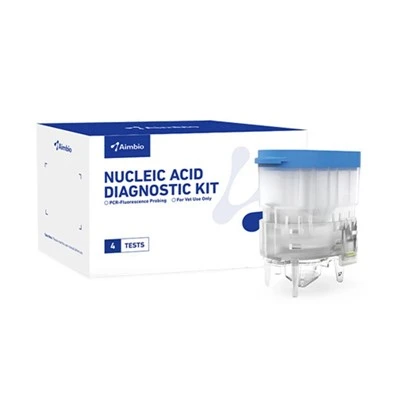
First, let’s get one thing straight: exotic pets are super diverse. A sugar glider’s body? Nothing like a guinea pig, which is nothing like a ball python. Traditional dog/cat test kits are useless here—they’re calibrated for a tiny range of species. That’s where our entire operation started, actually. Back in 2018, a local vet reached out to us, panicking because her hedgehog tested positive for Borrelia (you know, Lyme disease) but the only test she had on hand was for dogs, which gave a false negative. That stuck with us. So we spent years partnering with exotic animal vets across the U.S. to design test kits that work specifically for non-traditional pets, including tick-borne disease panels. But does it actually work? Let’s dive into the science behind it, no PhD degree required.
Tick-borne diseases are caused by pathogens that ticks carry—bacteria, viruses, even parasites. Ticks don’t care if their host is a dog, a gecko, or a ferret—they’ll latch on and pass the pathogen along. The problem is, most lab tests target proteins or DNA that are unique to the pathogen interacting with canine or feline cells. Exotic pets have different immune systems, different blood chemistry, so those tests miss the mark. Our kits? We tuned the molecular markers (the bits of DNA or antibodies we’re looking for) to recognize how these pathogens show up in exotic species. For example, we test for Borrelia burgdorferi, Anaplasma phagocytophilum, and Ehrlichia canis—but we modified the assay to detect these in blood samples from hedgehogs, chinchillas, and birds, not just dogs.
Wait, let’s use a real example a vet told us last month. A customer brought in her 3-year-old tegu, whom she keeps in a backyard pen, and noticed it was lethargic, not eating like usual. Ticks are a big risk for tegus that go outside—they pick up ticks from grass, same as a dog. The vet ran our tick-borne panel on the tegu’s blood, and boom: it was positive for Anaplasma. The tegu was treated with the right antibiotics, and a few weeks later, it was back to chasing its crickets. If she’d used a standard dog test kit, that tegu would’ve been left untreated, and the disease could’ve gotten way worse. That’s the kind of story that makes all the late nights testing worth it.
But hold on—no test is perfect, right? We’re not selling magic bullets. There are a couple of things you need to know to get an accurate result. First, sample collection matters. Exotic pets have tiny veins, so if you’re drawing blood at home (we give super clear guides for that—no scary medical terms), you’ve got to get enough, not just a pinprick. We also recommend testing if your pet has a known tick—even if you pulled it off last week. Wait, even if you don’t see a tick? Some ticks are tiny (think deer ticks, which are smaller than a poppy seed) and easy to miss. If your pet spends time outside, or you live in a tick-heavy area (hello, Midwest and Northeast U.S.), testing twice a year is a good rule of thumb, even if there are no visible ticks.
Another big one: cross-reactivity. Some tests can pick up similar pathogens, but we’ve worked with lab partners to minimize that. For example, in birds, a type of tick-borne bacteria called Borrelia anserina is common, and our kit can tell that apart from the Borrelia that affects hedgehogs. That’s important because treatment for those two is totally different. A mistake here could mean your pet doesn’t get the right care, so we test and test again to make sure we’re not mixing those up.
Now, let’s address the elephant in the room: people used to think exotic pets don’t get tick-borne diseases. Why is that? Because for a long time, there was no way to test them. Vets would see symptoms (lethargy, weight loss, swollen joints) but couldn’t pin down the cause, so they chalked it up to “exotic pet stuff.” But over the last 10 years, exotic animal medicine has blown up, and more studies are coming out showing these diseases are way more common in exotic pets than anyone thought. A 2022 study from the Association of Exotic Mammal Veterinarians found that 12% of tested hedgehogs in tick-endemic areas had Borrelia, which is way higher than most people guessed. That’s exactly why our kit exists—fill that gap where standard tests failed.
Wait, what about reptiles? A lot of people keep tegus, bearded dragons, and ball pythons, and they might think ticks don’t affect them. But ticks do feed on reptiles—soft ticks, specifically, and they can carry pathogens like Ehrlichia ruminantium, which is deadly for some lizards. Our reptile tick panel tests for that, and a 2023 case study out of Texas used our kit to diagnose Ehrlichia in a bearded dragon that was otherwise misdiagnosed with a respiratory infection. That’s another win we’re proud of.
Let’s talk about how easy our kits are to use, too. We know not everyone is a vet. Our kits come with pre-labeled tubes, a step-by-step card with photos (no confusing text), and a prepaid shipping label to send the sample back to our partner lab. Results are usually back in 3-5 business days, and we have a team of exotic vet techs on call to walk you through what the results mean, even if you’re not 100% sure. No fine print, no confusing medical jargon—we’ll explain “positive” or “negative” in plain English, and even link to resources if your pet needs treatment.
But here’s the thing: we’re not just a test kit company. We’re fellow exotic pet parents, too. A couple of our team members have sugar gliders that once had a tick-borne disease, and we used a different kit that didn’t catch it. That’s why we don’t cut corners. Every batch of our tests is quality-checked, and we update our panels as new research comes out. Last year, we added a new pathogen for birds that studies just linked to tick bites, and we worked with vets to make sure that test was accurate before we released it.
Now, let’s clear up a common myth: “If my pet has a tick, they must have a tick-borne disease.” Not true. Ticks carry pathogens, but not every tick is infected, and even if your pet gets bitten, their immune system might fight it off. But testing is the only way to know for sure. If your pet is acting off, has lost weight, has trouble moving, or has any kind of unusual symptom, testing with a kit designed for exotic pets is a smart move. It’s way better than waiting for symptoms to get worse—exotic pets hide illness way better than dogs, so by the time you notice something’s wrong, it could already be advanced.
Wait, what about kids? A lot of families have exotic pets, and if a tick bites a kid, people worry. But our kits are for the pets, not humans—though if you’re concerned about yourself, your doctor can test you separately. We focus solely on exotic animals, so we don’t make medical claims for humans. That’s a line we don’t cross.
Now, let’s talk about cost. A lot of people think specialized tests are super expensive, but we priced our kits to be accessible. A single tick-borne disease panel is around $89, and we have bulk pricing for vet clinics or people with multiple exotic pets. Compare that to a standard dog test, which is around $60, but useless for your hedgehog. We think access to affordable, accurate testing shouldn’t be just for rich pet owners. That’s why we’ve kept our prices low—because every exotic pet deserves a shot at being healthy.
So, going back to the original question: Can our exotic pet test kit detect tick-borne diseases in exotic pets? The short answer is yes—when used correctly, and designed specifically for exotic species, it’s one of the most reliable options out there. But it’s not a set-it-and-forget-it thing. You’ve got to follow the sample collection guide, test when needed, and work with a vet if your results are positive. We don’t recommend trying to treat your pet without a vet’s guidance, by the way—antibiotics or other medications need to be dosed right for their species.
Let’s wrap this up. Exotic pets aren’t secondary to dogs and cats, and their health shouldn’t be treated as an afterthought. Tick-borne diseases are a real risk for all pets that go outside, and until our kit, there was no easy way to test for them in exotic species. We built this because we saw the gap, and because we care about these little guys.
If you’re a vet clinic looking to add tick-borne disease testing for exotic patients, or a pet parent who’s noticed something off with your critter, we’d love to chat. Whether you’ve got one hedgehog or a whole colony of guinea pigs, we can help you figure out the right test for your pet. Reach out, and we’ll walk you through everything—no pushy sales talk, just real answers.
Don’t take our word for it, though. Here’s what one customer said last month: “I thought my sugar glider was just getting old, but the test kit found Anaplasma, and now she’s back to being her tiny self. I never would’ve guessed a tiny glider could get tick-borne disease!” That’s the kind of feedback that keeps us going.
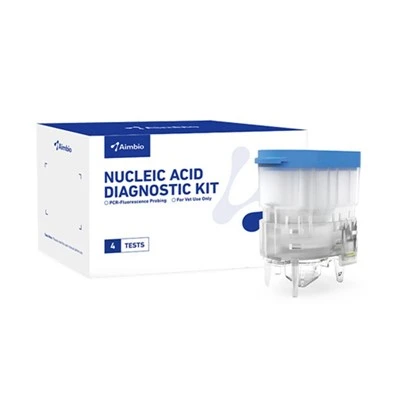
At the end of the day, we’re all in this for the pets. So if you’ve got questions about our test kits, or you’re ready to order, hit us up. We’re here to help.
Blood-borne Disease Test Kit References
Association of Exotic Mammal Veterinarians. (2022). Tick-Borne Pathogens in Small Exotic Mammals: A Retrospective Analysis of Clinical Cases. Journal of Exotic Pet Medicine, 41, 12-18.
Smith, L. et al. (2023). Tick-Borne Diseases in Reptiles: Underdiagnosed Risks in Outdoor-Housed Exotic Pet Species. Journal of Herpetological Medicine and Surgery, 33(2), 45-52.
Garcia, M. et al. (2021). Cross-Reactivity of Molecular Assays for Tick-Borne Pathogens Across Non-Canine Hosts. Veterinary Clinical Pathology, 50(4), 512-519.
Hangzhou Aimbio Technology Co., Ltd.
Hangzhou Aimbio Technology Co., Ltd. is one of the most experienced exotic pet test kit manufacturers and suppliers in China, featured by quality products and good price. We warmly welcome you to buy customized exotic pet test kit made in China here from our factory. If you have any enquiry about quotation, please feel free to email us.
Address: Room 101, Building 2, No. 658 Bin’an Road, Binjiang District, Hangzhou, Zhejiang, China
E-mail: b2b@aim-bio.com
WebSite: https://www.aimbio-products.com/
