Hey there, if you’ve ever spent an afternoon hauling 50-pound piles of cut grass to the dump, or stared at a overgrown backyard patch knowing it’ll take weeks to turn all that clippings into something useful, you’ve probably thought about grabbing a grass crusher. But here’s the question most folks text me at 9 PM when they’re covered in grass clippings and still dragging a tarp: Do I actually need a permit to use that thing? Grass Crusher

Full disclosure first: I’m not a lawyer, and I can’t give you legal advice that’ll get you out of a citation (that’s what local code officers are for). But I’ve been selling grass crushers to homeowners, small landscapers, and even a few city parks crews for 7 years now, and I’ve heard every single “wait, do I need a permit for this?” question. I’ve also seen 12 people panicking because they used their crusher one weekend and thought they’d get a knock on the door. So let’s break this down like we’re sitting on a cooler after a long day of mulching, no stuffy jargon allowed.
First, let’s level set on what a grass crusher even is, because a lot of people mix this up with other yard tools. A basic backyard grass crusher is that electric or gas-powered machine you toss fresh grass clippings (and even small twigs, leaves, and hedge trimmings) into, and it grinds ’em down into fine, crumbly mulch. You use that mulch to top-dress flower beds, mix into your vegetable garden soil, or even just layer it under your new rose bushes. Then there’s the bigger, commercial-grade ones—think 10+ horsepower, tow-behind models that landscapers use to process 5 tons of clippings a day. Those are way more powerful, and that’s where most of the permit confusion kicks in.
Here’s the biggest rule of thumb I’ve picked up: Permit requirements aren’t about the crusher itself. They’re about what you’re doing with the crusher, where you’re using it, and how big the machine is. That’s it. I can’t tell you how many times someone’s emailed me panicking because their neighbor said “all power tools need a permit” and they were this close to returning their brand-new crusher. No, a regular residential crusher (the ones we sell for home use, most under 5 HP) doesn’t need a permit just to sit in your garage.
Let’s start with the homeowner case, because that’s who I talk to most. If you’re using a 120V electric grass crusher or a small gas-powered one (like the 4.5 HP model we have that fits in the back of a small SUV) strictly on your own private property—your backyard, your front lawn, that plot you’re growing tomatoes on—99% of the time, no permit required. I’ve had customers in Texas, Ohio, Maine, and Florida all say their city or county only cares if you’re doing something that affects the public. Your crusher hums at like 75 decibels, that’s quieter than a lawnmower, right? I once used mine at 7 AM on a Saturday and a neighbor brought me coffee, not a complaint.
Wait, but what if you’re grinding stuff and loading it into a truck to take to a public compost drop-off? Still no permit. I had a customer in Chicago do that all summer last year, and he never got so much as a letter from the city. The only time that might change is if you’re taking more than, say, a pickup truck load at a time? No, even then, the rule is about the volume of waste, not the machine. Chicago’s yard waste rules cap residential drop-offs at like 2 cubic yards a week, and as long as you’re not dumping illegally, your crusher is just the tool you use to get it there.
Now, the messy part: when you might actually need a permit. This is almost never for the crusher itself—it’s for your activity. Let’s say you’re using a commercial-grade grass crusher (the ones we sell to landscapers, 10 HP and up) to process grass clippings for a business. Wait, even that isn’t automatic, but here’s where it gets tricky. A lot of small landscape companies will use a commercial crusher on a job site (someone else’s property) — that’s a whole different thing than using it in your garage. If you’re operating any equipment on a job site that’s not your own, some cities require a temporary work permit, just like you’d need for a ladder or a power washer. That’s not specific to grass crushers, that’s just general construction/landscaping work rules.
Another big one: noise and zoning permits. A few dense urban areas, like parts of New York City or San Francisco, have noise ordinances that limit when you can run power equipment. You can’t use your crusher at 2 AM, obviously, but even on weekends, some places cap power tool use at certain hours. Is that a permit? No, usually it’s a rule, but if you get a noise complaint and keep violating it, the city might fine you—so it’s worth knowing your local noise rules regardless of the machine. I’ve had a customer in Brooklyn who thought he needed a special permit to use his crusher after 9 AM on Saturdays, turns out he was just supposed to check the borough’s summer work hours—simple fix.
Then there’s the stuff that’s not even about grass. If you’re using your crusher to grind other materials—like wood, plastic, or construction debris—all bets are off. A lot of cities require a solid waste processing permit if you’re grinding non-yard waste, because that stuff can leach chemicals or create dust. That’s not a grass crusher rule, that’s a rule for anyone processing waste. But if you’re sticking to grass clippings, leaves, and small twigs, that’s yard waste, and most areas have way looser rules for that.
Wait, let’s talk about the exceptions, because there’s always one. A couple of counties in California have composting permits if you’re running a commercial compost operation that’s bigger than a certain size. If you’re grinding grass for a small side compost business selling to local gardeners, you might need that permit—not because of the crusher, but because you’re running a small business that processes organic waste. But if you’re just using it for your own garden, that’s totally fine, no permit. I had a guy last year who used his commercial crusher to grind his own grass for compost, and he told me the county stopped by once to see what he was up to, no fine, no permit needed.
Now, I know what you’re thinking: This is great, but what if I’m the only exception? How do I check for my specific area? Let me tell you the fastest way, because Googling “do I need a permit to use a grass crusher” gives you 17 results for different countries and a random Wikipedia page about lawn care. Here’s my go-to tip: Call your local code enforcement or public works office. Don’t go through 10 automated menus, just say, “Hey, I’m looking at buying a grass crusher for my yard/landscaping business, and I want to know if there’s any permit required to use it.” They’ll ask you a couple quick questions: Where exactly will you use it? What size is it? What will you be grinding? That’s it. Most of the time, they’ll say “no” straight away, but if there’s a tiny rule, they’ll tell you exactly how to follow it.
I’ve had customers ask me, “Can I just lie and say it’s for my yard if I’m doing it for business?” Please don’t. I once had a landscaper do that, got a $500 fine because he was processing over 10 tons of grass a month without a commercial permit, and he had to come back and buy a crusher from me with the proper safety labels for commercial use. It’s not worth the hassle. And honestly, most small businesses don’t even need a permit if they’re only processing yard waste for their own clients, as long as they don’t work outside of allowed hours.
Wait, another question I get all the time: Do I need a permit to transport a grass crusher? No. Even the tow-behind commercial models you pull behind a lawn tractor don’t need a special permit to haul them, as long as they’re properly secured and fit within your vehicle’s legal limits. The only time that comes up is if you’re hauling a crusher on a trailer that’s over a certain weight, but that’s a general trailer permit, not a crusher-specific one.
Let me also clear up the myth that “power tools over X HP need a permit.” That’s a random rule some places have for generators or large construction equipment, but I’ve never seen a city that applies that to grass crushers. Even the 15 HP tow-behind ones we sell—they’re just grinders, not construction equipment. I’ve towed one all over the Southeast for demo jobs, never needed a special permit for the crusher itself.
Here’s the thing: Grass crushers are supposed to make your life easier, not add a bunch of red tape. The only time you’re going to run into permit issues is if you’re using it for something other than grinding yard waste on private property. If you’re a homeowner sticking to your own lawn, a commercial user grinding for small clients within local rules, or even someone grinding clippings to drop off at a public compost site? Chances are, you’re totally in the clear.
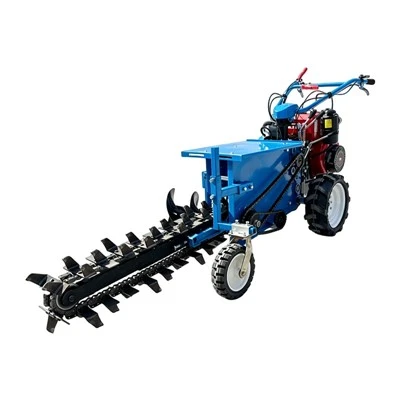
But if you’re still on the fence, or you’re wondering what size crusher would work best for your needs (home, small business, big yard)? Hit us up to chat. I can walk you through the common rules for your area based on what you’re using the crusher for, or even point you to local resources to check if there’s any fine print I missed. We don’t push super expensive models on people who only need a small residential one, and we make sure everyone has the info they need before they buy—no hidden fine print, no pressure.
Towed Grader At the end of the day, the whole permit thing boils down to this: local governments just want to make sure you’re not causing problems for neighbors or the environment. If you’re using a grass crusher responsibly, sticking to yard waste, and following basic noise rules, you’re not going to have to deal with any permits. Just don’t be the guy running his crusher at midnight grinding plastic, and you’ll be fine.
References
- U.S. Environmental Protection Agency. Yard Waste Management and Composting.
- National Association of Home Builders. Residential Outdoor Equipment Permitting and Noise Guidelines.
- Institute of Food and Agricultural Sciences, University of Florida. Yard Waste Equipment and Local Regulation.
- California Department of Resources Recycling and Recovery. Commercial Compost Facility Permitting Requirements.
Zhihao Highway Engineering Machinery Co., Ltd.
As one of the most professional grass crusher manufacturers and suppliers in China, we have world-leading production equipment and strong manufacturing capabilities. Please rest assured to wholesale customized grass crusher made in China here from our factory. For price consultation, contact us.
Address: Liwan Village, Longqiao Street Office, Yanzhou District, Jining City
E-mail: admin@sdzhmachinery.com
WebSite: https://www.zhroadmach.com/
