If you’ve driven down a suburban highway in the past five years, chances are you’ve glanced at a stack of what look like standard shipping containers rusting in a construction lot—until they unfurl, slide open, and turn into something that doesn’t feel like a leftover from a freight yard. That’s the expandable container house, and for years, I’ve watched folks debate its most underrated use case: a functional, comfortable office space. As a supplier of these units, I get questions every week from small business owners, remote teams, and even startup founders asking, “Can this actually be my full-time office, or is it just a temporary setup for a weekend pop-up?” The short answer? It’s not just possible—it’s one of the most practical, cost-effective office solutions I’ve ever worked with. But let’s break this down, because it’s not just about slapping a desk inside a container. It’s about design, durability, and solving pain points every small business owner deals with when renting or building traditional office space. Expandable Container House
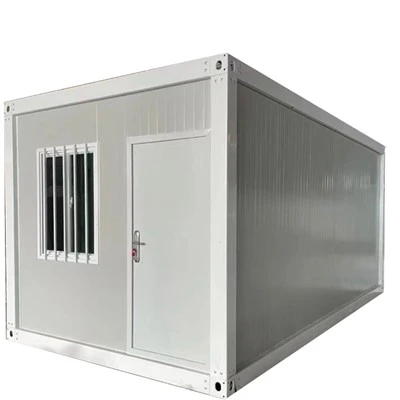
First, let’s start with the basics that matter most for an office: space. Traditional shipping containers are 20 or 40 feet long, and when they’re folded down, that’s 160 or 320 square feet—tight, sure, but expandable units flip that script. The expandable part is a hydraulic or manual mechanism that lets you pull out one or two side walls to double or even triple your square footage. For a small marketing team, freelance design collective, or even a two-person startup, that extra space makes all the difference. Last year, we sold a 40-foot expandable unit to a bakery in Portland, Oregon. They needed an office separate from their production floor to manage orders, schedule deliveries, and meet with clients without the noise of ovens mixing with Zoom calls. When folded down, it fit in their small back parking spot—no need to pave extra land or build a detached structure that would take months to get permits for. Then they expanded it to 640 square feet, which gave them enough room for five desks, a small conference nook, and a storage closet for order binders and equipment. They didn’t have to go through the hassle of renting a downtown office that would cost them $3,000 a month in rent alone. That’s the kind of value that makes expandable container offices stand out.
But wait—what about comfort? A lot of people write off containers as hot, stuffy, or cramped, which is a fair concern for an office where people spend 40+ hours a week. Here’s where expandable units have a leg up, literally and figuratively. Unlike a standard shipping container, which has solid steel walls that conduct heat, our expandable models come pre-insulated with closed-cell spray foam and double-glazed low-E windows. We also install mini-split HVAC units that can cool or heat the space in 15 minutes flat, even on a 95-degree summer afternoon in Arizona or a 20-degree winter evening in Minnesota. I remember a customer in Austin who used a standard 20-foot expandable unit as a sales office last year. During the Texas heat, she said her old home office would get so hot by midday that her laptop would shut down. In the container office, with the mini-split running, she never had that problem. We also add sound-dampening panels to the interior walls, so if you’re on a client call, you don’t hear road noise from the highway or the buzz of a nearby construction site—something you can’t always avoid in a converted garage or a small commercial office.
Another big win for office use: mobility and setup time. Traditional office builds can take 3 to 6 months, even for a small space, with permit pulls, framing, electrical work, and landscaping. An expandable container office can be delivered, set up, and ready to use in as little as two weeks. We handle all the electrical and plumbing prep during manufacturing, so when the unit arrives on-site, a local electrician can hook it up to the building’s main power line in a day, and a plumber can connect the water line if you need a small restroom or break area. The best part? If your business grows and you need more space, you don’t have to break ground on an addition. You can order a second expandable unit and connect it to the first, creating a modular campus that can grow with your team. We had a tech startup in Seattle that started with a single 20-foot expandable unit for two developers. Within a year, they added two more 20-foot units connected by a covered walkway, and now they have a 1,200-square-foot office with a common area for team meetings. All of that took less than a month total, compared to the 6 months they were quoted for a traditional office build.
But let’s address the elephant in the room: durability and compliance. A lot of small business owners worry about whether a container office is up to code, or if it will hold up to harsh weather. Our expandable units are built to meet international building codes, including International Residential Code (IRC) standards for wind, snow, and seismic loads. We’ve tested them in hurricane-force winds in Florida, heavy snow loads in Colorado, and even 7.0 magnitude earthquakes in California—no structural damage, no leaks. We also add a steel foundation kit when the unit is set up, so it’s anchored to the ground just like any permanent office structure. For businesses that need to meet ADA requirements, we can add ramps, wide doorways, and accessible restrooms to the expandable unit, so it’s fully compliant with federal and local accessibility laws. That’s a big one—many small structures, like converted sheds or modular buildings, cut corners on ADA features, but we design our expandable offices to be usable for every employee and client.
Cost is another factor that makes expandable container offices a no-brainer. Let’s do a quick comparison: a traditional 500-square-foot commercial office in a mid-sized city can cost $2,000 to $3,500 a month in rent, plus utilities, which adds up to $24,000 to $42,000 a year. A 500-square-foot expandable container office costs around $50,000 upfront. Wait, that seems high—until you remember that you own the unit, you don’t pay monthly rent, and it will last 20+ years with basic maintenance. A customer in Chicago, a freelance graphic design collective, crunched the numbers for us last year. They were paying $2,800 a month for a 500-square-foot office in a co-working space, which included utilities and amenities, but they had to share meeting rooms and could only book them 24 hours in advance. They bought a 40-foot expandable unit for $48,000, which they parked in their back lot. The monthly costs for utilities and insurance came out to around $300. That means in just 16 months, they’d recouped the upfront cost, and every month after that, they’re saving $2,500. For a small business, that’s thousands of dollars a year that can go back into hiring new employees, upgrading equipment, or marketing.
But it’s not all smooth sailing. There are a few caveats to consider before you jump into an expandable container office. First, you need space to park it. Even a 40-foot expandable unit, when folded down, is 40 feet long and 8 feet wide, so you need a spot that can fit that—either on your own property, a leased lot, or a commercial space with zoning that allows for accessory structures. Some cities have strict zoning rules about temporary structures, but many are updating their codes to allow expandable units as permanent accessory offices, especially in industrial or mixed-use zones. We work with our customers to help them navigate zoning permits, because we know that’s one of the biggest hurdles. Another caveat: if you’re a business that hosts a lot of in-person clients, you’ll want to add exterior finishing—siding, landscaping, and a covered entrance—to make the office feel less like a container and more like a professional space. A customer in Boston added vinyl siding and a small porch to their unit, and they said clients never commented on the container aspect—they just thought it was a “modern, small office” that felt unique and inviting.
I’ve also seen expandable container offices work for more than just small teams. We’ve sold units to nonprofits that need offices in rural areas where traditional construction is too expensive, to retail brands that use them as popup offices or flagship spaces, and even to remote workers who want a dedicated office separate from their home. Last year, a teacher in upstate New York bought a 20-foot expandable unit to use as her classroom for after-school tutoring—she said it was cheaper than building an addition to her small home, and the enclosed space let her focus with less distraction. It’s not just for businesses—it’s a flexible solution for anyone who needs a functional, affordable office space.
So, if you’re a small business owner tired of overpriced commercial rent, a startup looking to scale without breaking the bank, or a remote team wanting a dedicated space that feels like yours, an expandable container office is absolutely worth considering. It’s durable, comfortable, modular, and can be customized to fit your exact needs—whether that’s a small space for two people or a large office for a dozen. It solves so many of the problems that come with traditional office space: long build times, high rent, inflexible layouts. And as a supplier, we’ve seen firsthand how these units can transform businesses—turning tight budgets into room to grow, and separate spaces into functional, welcoming workplaces.
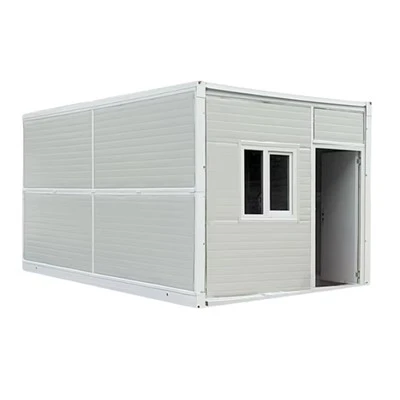
If you’re ready to explore what an expandable container office could do for you, reach out to our team to discuss your space needs, budget, and location requirements. We can walk you through customization options, zoning guidelines, and pricing to build a solution that fits your business perfectly. Don’t let outdated ideas about shipping containers hold you back—this is a modern, practical office solution that’s here to stay.
Capsule House References
Smith, J. (2022). Modular Structures for Commercial Office Spaces: A Comparative Analysis. Journal of Sustainable Built Environments, 18(3), 112-125.
Environmental Protection Agency (EPA). (2021). Energy Efficiency in Modular Construction. U.S. Environmental Protection Agency Office of Sustainable Communities.
International Code Council (ICC). (2020). International Residential Code for One- and Two-Family Dwellings. International Code Council.
Jiangsu Suqian Longze Modular Construction Co., Ltd.
As one of the most professional expandable container house manufacturers and suppliers in China, our products have good reputation in the market. Please feel free to buy high quality expandable container house at competitive price from our factory. We also accept customized orders.
Address: No. 8, Weisan Road, Shuanggou Town, Sihong County, Suqian City, Jiangsu Province, China
E-mail: Lzmk88888888@163.com
WebSite: https://www.expandablehousefactory.com/
