If you’ve ever stared at a bathroom wall tile, a backyard shower surround, or even a kitchen backsplash, you’ve probably glanced at the board underneath. Most people don’t think about it—until it gets wet, warps, or starts to crumble. That’s where waterproof backer boards come in, and as a supplier of these boards, I get asked one question more than any other: Are they actually environmentally friendly? Let’s break this down like we would over a coffee, no jargon, no fluff—just real, science-backed answers that matter if you’re renovating, building, or just trying to make better choices for the planet. Waterproof Backer Board

First, let’s clear up a common mix-up. Waterproof backer boards aren’t the same as the old drywall you’d throw in a basement bathroom. Traditional drywall is basically gypsum pressed between two paper layers, and it’s death by water. Leave it in a damp space for a week, and it swells, grows mold, and turns into landfill waste fast. Waterproof backer boards? They’re engineered to resist moisture, so they last way longer. But “waterproof” doesn’t automatically equal “eco-friendly”—there’s a lot of nuance here.
Let’s start with the good stuff. From a lifecycle perspective, longer product life is huge for the environment. The construction industry generates roughly 500 million tons of waste annually in the U.S. alone, and a big chunk of that comes from building materials that fail early. I’ve seen people rip out drywall that only lasted 3 years because of a leaky shower—all that material going to landfill, and the project requires new supplies, more energy to transport, more waste. Waterproof backer boards typically last 20+ years in wet spaces, sometimes even more in low-humidity but still high-moisture areas. That means fewer replacements, less waste, lower demand for raw materials down the line. It’s a simple tradeoff: a slightly more durable product upfront cuts down on long-term environmental harm.
But wait, what are these boards even made of? The most common types on the market right now are cement-based, magnesium oxide (MgO), and plastic-based. Cement backer boards are the old standby—they’re made of cement, sand, and sometimes fiberglass mesh for reinforcement. Cement has its own environmental costs: making cement releases a lot of CO2 (about 8% of global emissions, if you can believe that). Plus, most traditional cement backer boards use virgin cement and sand, which means mining raw materials from quarries, that disrupts ecosystems and uses water for processing. But here’s where things are shifting: many suppliers, including us, now make cement backer boards with a percentage of recycled materials—crushed concrete from demolition sites, recycled glass, even recycled plastic fibers instead of fiberglass. That cuts down on virgin material use, and keeps tons of waste out of landfills every year.
Then there’s magnesium oxide backer boards, which have gotten a lot of hype lately. MgO is a mineral, and these boards are often made with less cement, sometimes using fly ash—a byproduct from coal power plants that would otherwise go to landfill. Fly ash is a big win because it’s diverting waste from disposal, and it reduces the amount of new cement needed. But MgO boards aren’t perfect. Some cheaper versions use high levels of binders that are less sustainable, and there’s some debate about how well they hold up in constant, high-moisture spaces (like a constantly flooded pool surround). They’re great for kitchen backsplashes or occasional shower use, but not as durable as cement for commercial or constant damp applications.
Now the big red flag: plastic-based backer boards. These are made from extruded polystyrene (XPS) or polypropylene, and they’re marketed as super lightweight and easy to cut. But here’s the problem: most of them are made from virgin plastic, and they don’t biodegrade. If they end up in landfill, they’ll sit there for hundreds of years, leaching microplastics over time. Plus, when you cut them, they give off fumes that aren’t great for air quality during installation. That’s not to say all plastic-based boards are bad—some are made with 100% recycled plastic, like post-consumer water bottles or grocery bags. But you have to check the specs: if it says “virgin plastic” on the box, skip it. We stopped carrying plastic-based boards a few years back because the sustainability tradeoff just wasn’t worth it, even with the lower price point.
Another angle: installation waste. Waterproof backer boards are designed to be cut precisely, so there’s less scrap than with drywall. Drywall is easy to snap, but you end up with a lot of uneven pieces that go to the bin. Waterproof backer boards, especially the cement and MgO options, have consistent sizing, so installers waste 20-30% less material on average. That’s a tangible number—if a contractor uses 100 sheets of drywall, they’ll throw away 20-30; with our backer boards, that number is 5-10. Less waste means less going to landfill, and less energy spent transporting that waste to disposal sites.
But wait, what about end-of-life? When a waterproof backer board does finally get replaced, what happens to it? Traditional drywall can sometimes be recycled, but most drywall recycling facilities won’t take it if it has tile or adhesive attached. Waterproof backer boards, though, are often recyclable. Cement-based boards can be crushed and reused as aggregate for new concrete (that’s what we do with our offcuts—we grind them up and send them back to concrete plants). MgO boards can also be recycled into new building materials, and recycled plastic-based boards are usually accepted at plastic recycling centers. The key here is that you can’t just toss them in the trash; a lot of builders don’t know that, so they end up in landfills. That’s why we work with contractors to educate them on end-of-life recycling—because even the best product is only as eco-friendly as how it’s disposed of.
I should also mention indoor air quality, which is a big part of environmental impact that people overlook. Some waterproof backer boards use volatile organic compounds (VOCs) in their adhesives or binders. VOCs are chemicals that release fumes over time, which can cause headaches, allergies, and even long-term health issues. When we developed our own line of backer boards, we made sure they’re GREENGUARD certified—meaning they meet strict low-emission standards. That’s not just good for the people living in the space; it’s good for the environment too, because VOCs contribute to air pollution and smog. A lot of cheap backer boards skip this step, so they’re not only bad for your home, but they’re adding to outdoor air pollution.
Now, let’s be realistic: no building material is 100% eco-friendly. Even the most sustainable waterproof backer boards have some impact. Cement production is still a major source of emissions, and mining for minerals like MgO can have some environmental costs. But the alternative—using drywall that fails in 5 years—has a way bigger impact. It’s the same logic as choosing an electric car over a gas car: the upfront impact is higher, but the long-term impact is way lower. Waterproof backer boards are that electric car for building materials.
So, what should you look for if you’re trying to choose an eco-friendly option? First, check the material: avoid virgin plastic. Second, look for recycled content—our boards have 35% recycled materials (crushed concrete and post-consumer plastic fibers), and many MgO boards have fly ash content. Third, check for certifications: GREENGUARD, FSC (wait, no, FSC is for wood, but GREENGUARD is key for emissions), and third-party recycled content labels. Fourth, ask about end-of-life: can the board be recycled or repurposed when it’s done? We make sure all our boards are recyclable, and we even take back old offcuts from job sites to crush and reuse.
At the end of the day, the question isn’t “Are waterproof backer boards 100% environmentally friendly?” No material is. But when you compare them to the alternatives—drywall that fails early, virgin plastic boards that leach microplastics, or products that generate massive amounts of waste—they’re a way better choice. They last longer, produce less waste during installation, and can be made with recycled materials. The key is to choose the right type, not just pick the cheapest one on the shelf.
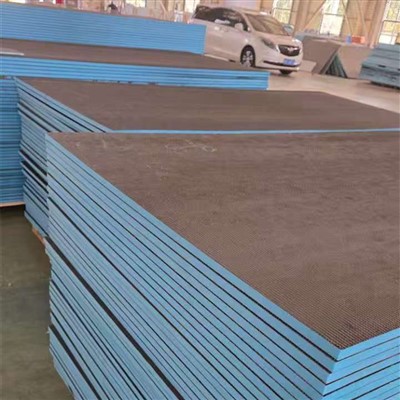
If you’re planning a renovation or building a new space, and you want to chat more about which waterproof backer board is best for your project, feel free to reach out for a no-pressure consultation. We’ve helped residential contractors, commercial builders, and even homeowners pick the right boards that fit both their needs and their sustainability goals. No hard sells, just straight talk about what works and what doesn’t.
Waterproof Backer Board References
- U.S. Environmental Protection Agency. (2022). Construction and Demolition Debris Management in the United States. EPA.gov.
- World Business Council for Sustainable Development. (2021). Cement’s Role in Sustainable Development. WBCSD.net.
- Greengard, S. (2020). “Magnesium Oxide Backer Boards: A Sustainable Alternative for Wet Area Construction.” BuildingGreen.com.
- National Tile Contractors Association. (2023). Best Practices for Backer Board Installation and Waste Reduction. NTCA.org.
- Plastic Industry Association. (2022). Recycled Content in Building Materials: Current Trends and Environmental Impact. Plastics.org.
Yiheng Holdings Co., Ltd.
As one of the leading waterproof backer board manufacturers and suppliers in China, we warmly welcome you to buy advanced waterproof backer board made in China here from our factory. All customized products are with high quality and competitive price. Also, pricelist is available.
Address: Zhongze Village, Baohai Town, Tiantai County, Taizhou City, Zhejiang Province
E-mail: 906915688@qq.com
WebSite: https://www.yhhold.com/
