If you’ve ever sourced perforated mesh sheets from a supplier, you know they’re one of the most versatile building and industrial materials around. I’ve spent 12 years selling these sheets to contractors, automotive shops, agricultural operations, and even boutique architectural firms, and one question I get asked more than any other is: “What kind of maintenance does a perforated mesh sheet actually need?” Most people assume that because they’re perforated, they’re low-maintenance—maybe just a quick wipe-down once a year. But over the years, I’ve seen firsthand what happens when that assumption turns wrong: a farm’s animal containment mesh rusts through after two seasons, a commercial building’s facade mesh gets stained permanently, and a sound barrier mesh stops working effectively because it’s clogged. Today, I’m pulling back the curtain on the real, practical maintenance schedule I teach every one of my clients, broken down by material and use case—no fancy jargon, just what works. Perforated Mesh Sheet
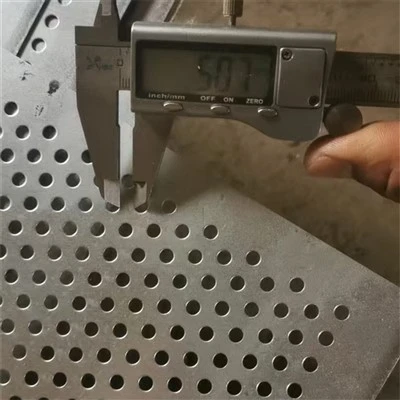
First, let’s get one thing straight: maintenance for perforated mesh sheets isn’t a one-size-fits-all task. A sheet made of galvanized steel for a warehouse mezzanine requires totally different care than a marine-grade aluminum sheet for a coastal bridge sound barrier. I learned this early on when a new customer ordered 50 sheets of standard steel mesh for a cattle feedlot, and a month later he called complaining that half the sheets had red rust spots. I’d forgotten to tell him that generic steel mesh doesn’t hold up to ammonia-heavy livestock environments—he’d skipped a critical step: pre-treatment cleaning before he even installed them, and later, a regular passivation touch-up. That mistake still sticks with me, so I always start consultations by walking clients through their material’s unique needs, not just checking a box for “perforated metal upkeep.”
Let’s start with the most common material: galvanized steel perforated mesh. This is the workhorse—used for everything from security grilles to storage bin liners to agricultural fencing. The zinc coating that makes galvanized steel so durable isn’t indestructible, though. It’s designed to wear down slowly, especially in high-moisture or chemical-heavy environments, so maintenance here is all about preserving that zinc layer. I tell clients with galvanized mesh to do a full deep clean every 6 months, not just a quick spray. For most indoor applications, like warehouse shelving dividers, a mix of warm water and mild dish soap works perfectly—no harsh chemicals, because those can strip the zinc coating. Just spray it on, let it sit for 15 minutes to break up dust and debris, then rinse with a garden hose or pressure washer on low setting (no more than 1500 PSI—high pressure can chip the zinc right off).
The tricky part for galvanized steel is outdoor use, especially in places with salt air (coastal areas) or high ammonia (livestock barns, wastewater treatment plants). For these environments, I add a monthly spot check to the schedule. Every 30 days, walk the perimeter of the mesh and look for any places where the zinc is chipped or scratched—common spots where the mesh was installed next to sharp edges, or where heavy equipment brushed against it. If you catch a small scratch (smaller than a quarter), you can touch it up with a zinc-rich primer, which is cheap and easy to apply with a small brush. If the scratch is bigger, or there’s a rust spot starting, don’t wait—sand the area lightly to remove the rust, apply the primer, then top it with a matching paint (I recommend acrylic latex for most outdoor use). I once had a customer in Florida who installed galvanized mesh for a pier deck barrier and skipped the touch-ups; by the end of the first year, he had to replace 20% of the sheets. After we adjusted his maintenance schedule, he’s only replaced 5% in three years. That’s the difference between proactive care and reactive replacement.
Next up: stainless steel perforated mesh, the go-to for food processing, medical facilities, and coastal applications where corrosion is a big risk. Stainless steel’s chromium content creates a self-healing oxide layer, but that layer can get contaminated by dirt, food residue, or chemicals, which stops it from working. I always emphasize that stainless steel mesh needs gentler cleaning than galvanized steel, no exceptions. For food-grade applications—like mesh for baking racks or sorting produce—this is non-negotiable. Every day after use, you should wipe down the mesh with a food-safe, non-abrasive cloth. Weekly, do a deep clean with a solution of warm water and a stainless steel-specific cleaner (avoid regular dish soap, which can leave residue). I tell clients to never use steel wool or abrasive scrubbers on stainless steel mesh—those will scratch the surface and create places for bacteria or corrosion to hide.
The big maintenance pitfall for stainless steel is crevice corrosion, which happens when dirt or debris gets trapped in the perforations or between the mesh and whatever it’s attached to. For example, a stainless steel mesh used as a window screen will collect pollen and leaves in its holes, especially during spring and fall. I recommend blowing out these perforations with compressed air every month, or using a soft brush to dislodge debris. I had a client in a seafood processing plant who noticed his mesh screens were developing black spots after six months; we took a sample and found that salt residue was trapped in the perforations, breaking down the oxide layer. Once he started blowing out the holes monthly and switching to a weekly vinegar rinse (a cheap, natural way to remove salt residue), the spots went away and didn’t come back. Pro tip: For stainless steel mesh in high-traffic, debris-heavy areas, you can add a removable mesh cover (I sell these as an optional add-on) to catch big debris and cut down on cleaning time.
Now, the material I get the most questions about these days: aluminum perforated mesh. It’s lightweight, rust-resistant, and popular for architectural facades, bird netting, and portable barriers. But aluminum is soft, and it’s prone to discoloration—called patina—especially in industrial or coastal areas. Most people think patina is a bad thing, but it’s actually a protective layer for aluminum—natural patina slows down further corrosion. The key is knowing the difference between harmless patina and damaging corrosion, and knowing how to care for each. For aluminum mesh used in architectural facades, where looks matter, I recommend a deep clean once a year, using a pH-neutral cleaner (acidic or alkaline cleaners will etch aluminum). After cleaning, apply a UV-resistant clear sealant—this keeps the patina even, prevents streaking, and extends the mesh’s lifespan by another 2-3 years. I had a commercial client in Miami who installed un-sealed aluminum mesh for a retail store facade; by the second year, it had uneven brown streaks that ruined the look. After we cleaned it and applied the sealant, it stayed consistent for five more years until they renovated the building.
Don’t forget, the use case for perforated mesh also changes its maintenance needs. For example, perforated mesh used as a sound barrier for highways or construction sites is going to get a lot more dirt, dust, and even road salt than a mesh used for a backyard fence. For these heavy-duty applications, I recommend monthly deep cleans with a pressure washer on low setting, plus a quarterly inspection to make sure no perforations are clogged—clogged holes reduce the sound-dampening efficiency by up to 30%, which defeats the whole purpose of installing it. For mesh used in animal containment, like dog runs or livestock fences, you need to add cleaning for waste residue—ammonia is corrosive, so I recommend a weekly rinse with a mild ammonia-neutralizing cleaner, and a full deep clean every three months. I once had a customer who raised goats and used standard steel mesh for their pen; after one year, the mesh was so corroded from goat waste that he had to replace half the panels. Switching to galvanized steel and adding the weekly ammonia rinse cut his replacement cost to zero in two years.
I also get a lot of questions about long-term storage for perforated mesh sheets, which is part of maintenance too, right? A lot of clients buy extra sheets for future projects and just stack them in a garage or outside, and by the time they need them, they’re covered in rust or dirt that makes them impossible to install. My rule for storing perforated mesh: keep it off the ground, in a dry, covered area. If you have to store it outside, cover it with a breathable tarp—never a plastic sheet, because plastic traps moisture and causes rust. Stack sheets no more than 10 high, because the bottom ones can bend or scratch under the weight. Before storing for more than 3 months, do a quick light clean and dry it completely—any trapped moisture will cause rust to form in the perforations, which is hard to remove later.
The biggest mistake I see customers make is waiting for a problem to start before doing maintenance. Perforated mesh is designed to last 10-20 years with proper care, but skip even a few months of upkeep, and you’ll be replacing it in 2-3 years. I’ve built my business on giving honest, practical advice, not just selling mesh—so if you’re not sure what maintenance schedule works for your specific mesh, my team and I are here to walk you through it. Whether you need sheets for a residential fence, a commercial facade, an agricultural operation, or any other use, we can help you pick the right material and maintenance plan to keep it working for years. If you’re ready to source perforated mesh sheets or talk through your project needs, don’t hesitate to reach out to our team to start a conversation about what works for you.
Wire Mesh Panel REFERENCES
- Davis, J. (2021). Perforated Metal Maintenance: A Guide for Industrial and Architectural Applications. Metal Finishing Journal.
- Thompson, L. (2019). Corrosion Resistance of Perforated Mesh Materials in Coastal and Agricultural Environments. Journal of Materials Engineering and Performance.
- Wilson, R. (2022). Practical Cleaning Schedules for Perforated Metal Sheets in Food Processing Facilities. Food Safety and Technology Magazine.
- Harris, M. (2020). Long-Term Storage Solutions for Perforated Mesh Sheets. Construction Materials Report.
Anping Binze Wire Mesh Products Co., Ltd.
We are one of the most experienced perforated mesh sheet manufacturers and suppliers in China, also support customized service. Please feel free to buy high quality perforated mesh sheet for sale here from our factory. For price consultation, contact us.
Address: Taicheng Industrial Zone, Anping County, Hengshui City, Hebei Province
E-mail: binzemesh@outlook.com
WebSite: https://www.binze-mesh.com/
