Let’s get one thing straight right off the bat—if you’ve ever pulled a frozen pizza, bag of steamed broccoli, or carton of ice cream from the grocery store freezer, you’ve already interacted with food additives raw materials. As someone who’s spent the last 12 years sourcing, testing, and supplying these exact materials to food manufacturers, I get that there’s a lot of confusion about whether these ingredients belong in frozen food. Let’s cut through the noise, get into the science, and address both the valid concerns and the real benefits that come from using high-quality, regulated additives in frozen products. Food Additives Raw Materials
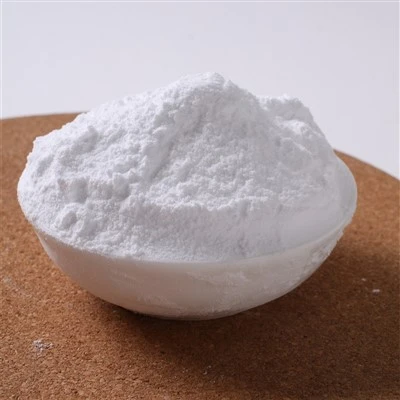
First, let’s ground this in what we actually mean by “food additives raw materials” and “frozen food.” Food additives are substances intentionally added to food to perform specific technological functions—think things like preserving freshness, improving texture, enhancing color, or maintaining consistency. Raw materials for these additives are the base components we (as a supplier) refine, process, and deliver to food makers, who then incorporate them into their frozen products. Frozen food, by definition, is food stored at 0°F (-18°C) or below, a temperature that slows microbial growth, but doesn’t stop it entirely—and that’s where additives come into play.
One of the biggest myths I hear from small-scale food producers is that freezing alone is enough to keep food safe and tasty. It’s true that freezing halts most bacteria, but it doesn’t protect against freezer burn, which is caused by moisture loss and oxidation. For example, a bag of frozen chicken breasts that’s been on the shelf too long can develop that dry, gray patch of freezer burn because the surface moisture sublimates (turns straight from ice to vapor) and escapes. That’s not just an aesthetic issue—it affects texture and flavor, and can even make the product less nutritious over time. This is where our raw materials—like modified food starches or polysorbates—come in. These emulsifiers and stabilizers create a thin, protective barrier on the food’s surface, locking in moisture and preventing oxidation. I recently worked with a craft frozen meal brand that was seeing 15% product returns due to freezer burn complaints; switching to a natural, plant-based emulsifier we supply cut those returns to under 2% in three months. That’s not a “chemical trick”—that’s a solution that works for both the producer and the consumer.
Another critical function of additives in frozen food is maintaining texture. Anyone who’s ever had a scoop of ice cream that’s hard as a rock or a bag of frozen French fries that’s soggy after reheating knows how much texture matters. When water freezes, it forms large ice crystals that can break down the structure of food—destroying the cell walls in fruits and vegetables, making baked goods crumbly, or turning ice cream into a block of ice. Our raw materials here are things like hydrocolloids (like guar gum or xanthan gum) and functional proteins. These substances interfere with ice crystal formation, keeping crystals small and uniform, even when the product is stored for months. I remember a conversation with a frozen fruit processor a couple years ago: they were using conventional frozen strawberries that turned mushy when thawed for smoothies, because the ice crystals had ruptured the fruit’s cells. We started supplying them with a low-methoxyl pectin (a natural additive raw material) that binds to the fruit’s cell walls, strengthening them and keeping ice crystals small. Now their thawed strawberries are firm, their smoothie base has a consistent texture, and they’ve expanded to three new regional retailers. That’s a tangible, customer-focused benefit, not something out of a lab manual.
Of course, I can’t talk about food additives without addressing the elephant in the room: consumer concern about “unnatural” ingredients or chemical additives. As a supplier, I get it—more and more buyers (and by extension, their customers) are asking for clean-label products, and that’s a trend we’ve adapted to, not fought against. The key here is that additives aren’t inherently bad; it’s about what they’re made from, how they’re tested, and whether they meet regulatory standards. For example, many of our raw materials are derived from natural sources: citrus pectin from fruit peels, guar gum from the guar bean, even some preservatives from vinegar or rosemary extract. These are still additives, but they’re derived from whole foods, and they perform the same functions as synthetic alternatives—just without the “chemical” label that turns some people off.
I also want to be clear that all our raw materials meet strict global safety standards—FDA regulations in the U.S., EFSA in the EU, Codex Alimentarius internationally. Every batch we supply undergoes third-party testing for purity, potency, and absence of contaminants like heavy metals or microbial pathogens. Last year, we had a customer that tried to source a cheap, untested emulsifier from an overseas supplier and ran into issues with high levels of residual solvents; we were able to supply a tested, compliant alternative that solved their problem and kept their product on shelves. That’s part of what we do as a reliable supplier—we don’t just sell ingredients, we provide solutions that are safe, effective, and compliant.
Now, let’s tackle the flip side: are there cases where food additives raw materials shouldn’t be used in frozen food? Absolutely. If a producer is making a simple, single-ingredient frozen product—like plain frozen spinach or frozen blueberries—that doesn’t need additives, that’s their call, and we support that. But even for many of these simple products, a small amount of a natural antioxidant (like ascorbic acid, which is vitamin C) can prevent browning when the product is thawed, without altering the taste or texture. The key is that additives should only be used when they add value—when they improve safety, reduce waste, or make the product better for the consumer, not just for the producer.
I’ve seen firsthand how frozen food with the right additives can reduce food waste, which is a huge win for both the environment and the bottom line. The UN says that about 1.3 billion tons of food is wasted every year, and a lot of that is because frozen products don’t hold up to storage or reheating. When we supply additives that extend the shelf life of frozen meals by 6 months without changing their flavor, that means less food is thrown away in warehouses, stores, and homes. That’s not just good for business—it’s good for the planet.
Let’s also talk about a common misconception: that additives in frozen food are a way for producers to use lower-quality ingredients. That’s not how it works. Additives work with the existing ingredients to improve their performance. For example, if a frozen pizza uses low-moisture mozzarella, a small amount of a stabilizer we supply helps the cheese melt smoothly without getting oily, so the pizza tastes good even after being frozen for 3 months. The cheese is still cheese—we’re just helping it do what it’s supposed to do, better, in a frozen state.
As someone who’s been in this industry for over a decade, I’ve watched frozen food go from a convenience afterthought to a staple for busy families, health-conscious consumers, and everyone in between. The demand for high-quality, long-lasting frozen products isn’t going anywhere, and food additives raw materials will continue to be a critical part of meeting that demand—when used correctly, safely, and transparently.
At the end of the day, the question isn’t “can food additives raw materials be used in frozen food”—it’s “how can they be used responsibly to make better products?” We supply our raw materials to manufacturers who care about food safety, quality, and their customers, and we’ve seen time and again that when you use the right additive, sourced correctly, it benefits everyone: the producer, the consumer, and even the planet by reducing food waste.

If you’re a food manufacturer making frozen products—whether you’re a small craft brand just getting started or a large established producer looking to improve your product quality, reduce waste, or meet clean-label goals—I’d love to talk. We work with clients to tailor additive solutions to their specific needs, whether that’s a natural emulsifier for frozen desserts, an antioxidant for frozen produce, or a stabilizer for frozen entrées. We don’t just ship raw materials; we partner with our clients to find the right fit, because that’s what this industry is about—collaboration, science, and making food that people can feel good about eating.
Female Weight Loss Raw Materials References
- U.S. Food and Drug Administration (FDA). (2024). Food Additives Permitted for Use in Food. Retrieved from FDA.gov
- European Food Safety Authority (EFSA). (2023). Safety Assessment of Food Additives. Retrieved from EFSA.europa.eu
- Food and Agriculture Organization (FAO) and World Health Organization (WHO). (2022). Codex Alimentarius: General Standard for Food Additives. Retrieved from CodexAlimentarius.org
- Food and Agriculture Organization (FAO). (2021). Global Food Losses and Waste. Retrieved from FAO.org
- Institute of Food Technologists (IFT). (2023). Frozen Food Technology: Innovations in Preservation and Texture. Retrieved from IFT.org
Henan Jinyi Import & Export Co., Ltd.
With abundant experience, we are one of the most professional food additives raw materials manufacturers and suppliers in China. Please feel free to buy bulk customized food additives raw materials from our factory. Good service and quality products are available.
Address: Block A, Building 3, No.7 Guoji Road, Jinshui District, Zhengzhou City, Henan Province
E-mail: 13838041990@163.com
WebSite: https://www.jyingredients.com/
