What are the effects of pH on titanium anodes in hydrometallurgy?
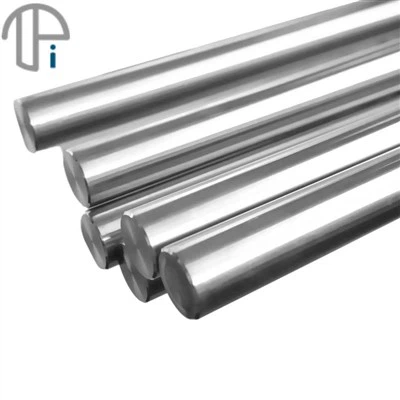
As a supplier of titanium anodes for hydrometallurgy, I’ve witnessed firsthand the critical role that pH levels play in the performance and longevity of these anodes. In hydrometallurgy, the process of extracting metals from ores using aqueous solutions, titanium anodes are widely used due to their excellent corrosion resistance, high electrical conductivity, and durability. However, the pH of the electrolyte can significantly impact the behavior and effectiveness of these anodes. Titanium Anodes for Hydrometallurgy
1. Corrosion Behavior
One of the most significant effects of pH on titanium anodes is its influence on corrosion. Titanium is known for its ability to form a passive oxide layer on its surface, which protects it from further corrosion in many environments. This passive layer is stable over a relatively wide pH range, typically from about pH 3 to pH 12.
In acidic solutions (pH < 3), the passive layer on titanium can be damaged. Hydrogen ions in the acidic electrolyte can react with the oxide layer, causing it to dissolve. As a result, the anode becomes more susceptible to corrosion. Pitting corrosion may occur, where small holes or pits form on the anode surface. This not only reduces the anode’s lifespan but can also lead to a decrease in its electrical performance. The pitting can disrupt the uniform flow of current, leading to inefficient metal extraction processes.
On the other hand, in highly alkaline solutions (pH > 12), the passive layer can also be affected. Hydroxide ions in the alkaline electrolyte can react with the titanium oxide, forming soluble titanium compounds. This dissolution of the passive layer exposes the underlying titanium metal to the corrosive environment, increasing the rate of corrosion. Additionally, in alkaline conditions, enhanced scale formation may occur on the anode surface. This scale can act as an insulator, increasing the electrical resistance of the anode and reducing its efficiency.
2. Oxygen Evolution Reaction (OER)
In hydrometallurgy, the oxygen evolution reaction (OER) is a common electrochemical reaction that occurs at the anode. Titanium anodes are often used to facilitate this reaction during processes such as the electrowinning of metals.
The pH of the electrolyte can have a profound impact on the OER kinetics. In acidic solutions, the OER mechanism typically involves the oxidation of water molecules to form oxygen gas. The reaction is influenced by the availability of protons in the solution. A lower pH (higher proton concentration) can increase the rate of the OER. However, as mentioned earlier, the acidic environment can also cause corrosion of the titanium anode, which may ultimately limit the long – term performance of the anode.
In alkaline solutions, the OER occurs through a different mechanism involving the oxidation of hydroxide ions. The higher concentration of hydroxide ions in alkaline media can enhance the OER rate. Moreover, the formation of a stable oxide layer on the titanium anode in moderately alkaline conditions can promote the OER. However, in highly alkaline solutions, the corrosion issues associated with the dissolution of the passive layer can again pose a challenge.
3. Anode Potential and Energy Consumption
The pH of the electrolyte can also affect the anode potential. The anode potential is an important parameter in hydrometallurgical processes as it determines the energy required for the electrochemical reactions to occur.
In acidic solutions, due to the possible corrosion of the titanium anode and the changes in the surface properties, the anode potential may increase. A higher anode potential means that more energy is required to drive the electrochemical reactions, leading to increased energy consumption in the hydrometallurgical process. This can have a significant impact on the economics of the operation, as energy costs are often a major component in metal extraction processes.
In alkaline solutions, the anode potential may also be affected. The formation of scale on the anode surface in highly alkaline conditions can increase the electrical resistance, which in turn raises the anode potential. This increase in potential can also result in higher energy consumption.
4. Impact on Metal Deposition
In hydrometallurgy, the main goal is often to deposit a metal of interest on the cathode. The pH of the electrolyte can indirectly affect the quality and efficiency of metal deposition through its influence on the titanium anode.
If the anode is corroded due to an inappropriate pH, metal ions from the anode may enter the electrolyte. These unwanted metal ions can contaminate the electrolyte and may interfere with the deposition of the target metal on the cathode. For example, if titanium ions are released into the solution from the corroding anode, they may form complexes with other species in the electrolyte, altering the chemical environment and affecting the reduction of the target metal ions.
Moreover, the efficiency of the overall electrochemical process is closely related to the performance of the anode. If the anode potential is too high or the anode is not functioning properly due to pH – related issues, the rate of metal deposition on the cathode may decrease, and the quality of the deposited metal may be compromised.
5. Maintaining Optimal pH for Titanium Anodes
To ensure the best performance and longevity of titanium anodes in hydrometallurgy, it is crucial to maintain the pH of the electrolyte within an optimal range.
Monitoring the pH of the electrolyte regularly is essential. This can be done using pH sensors, which can provide real – time information about the pH level. Based on the sensor readings, appropriate adjustments can be made to the electrolyte.
If the pH is too low (acidic), alkaline substances such as sodium hydroxide can be added to increase the pH. Conversely, if the pH is too high (alkaline), acidic substances like sulfuric acid can be used to lower the pH.
It is also important to consider the source of the electrolyte and any impurities that may affect the pH. For example, if the ore used in the hydrometallurgical process contains acidic or alkaline components, this can impact the pH of the resulting electrolyte. Pretreatment of the ore or the electrolyte may be necessary to control the pH effectively.
Conclusion
The pH of the electrolyte has a far – reaching impact on titanium anodes in hydrometallurgy. It affects the corrosion behavior, the oxygen evolution reaction, the anode potential, energy consumption, and metal deposition. As a supplier of titanium anodes for hydrometallurgy, we understand the importance of these factors. We are committed to providing high – quality titanium anodes that can withstand the challenges posed by different pH conditions.
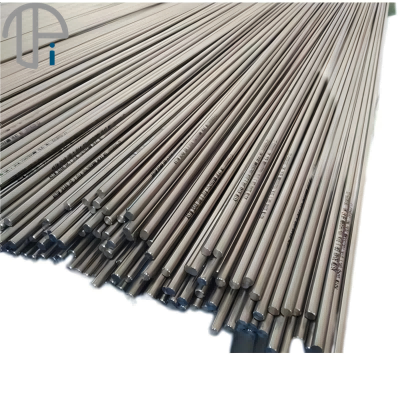
Titanium Wire If you are involved in hydrometallurgical processes and are looking for reliable titanium anodes, we encourage you to contact us. Our team of experts can provide you with detailed advice on selecting the right anode for your specific application and on how to maintain the optimal operating conditions, including pH control. We are dedicated to helping you achieve efficient and cost – effective metal extraction processes.
References
- Bard, A. J., & Faulkner, L. R. (2001). Electrochemical Methods: Fundamentals and Applications (2nd ed.). Wiley.
- Pourbaix, M. (1974). Atlas of Electrochemical Equilibria in Aqueous Solutions. National Association of Corrosion Engineers.
- Uhlig, H. H., & Revie, R. W. (1985). Corrosion and Corrosion Control: An Introduction to Corrosion Science and Engineering (3rd ed.). Wiley.
Baoji Top Titanium Industry Co., Ltd.
As one of the most professional titanium anodes for hydrometallurgy manufacturers and suppliers in China, we’re featured by quality products and good price. Please rest assured to buy bulk titanium anodes for hydrometallurgy in stock here and get quotation from our factory. Customized orders are welcome.
Address: No. 2, South Section Of Phoenix 2nd Road,High-Tech Zone, Baoji,Shaanxi, China (Mainland)
E-mail: sales@bjtopti.com
WebSite: https://www.china-topti.com/
