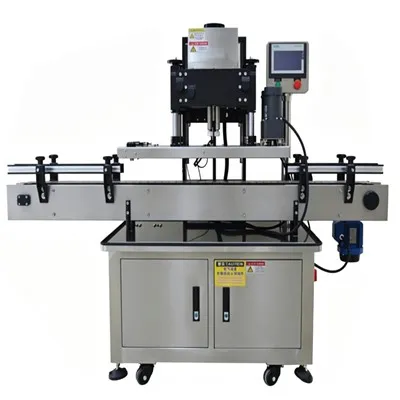
Screen printing is a versatile and widely used printing method known for its ability to produce high-quality prints on various substrates. As a leading screen printing machine supplier, I’ve witnessed firsthand how the choice of ink can significantly impact the final output. In this blog, I’ll explore how the printing quality of a screen printing machine changes with different inks, delving into the characteristics of various ink types and their effects on the printing process. Screen Printing Machine
Understanding the Basics of Screen Printing
Before we dive into the role of inks, it’s essential to understand the fundamentals of screen printing. At its core, screen printing involves transferring ink through a stenciled mesh screen onto a substrate. The areas of the screen that are not part of the design are blocked, allowing ink to pass only through the open areas, creating the desired image. The quality of the print is influenced by several factors, including the screen’s mesh count, the quality of the stencil, the printing pressure, and, of course, the type of ink used.
Types of Inks and Their Impact on Printing Quality
Water-Based Inks
Water-based inks are environmentally friendly and have gained popularity in recent years due to their low VOC (volatile organic compound) content. They are made by suspending pigments in a water-based emulsion, which makes them easy to clean up and safe for use on a variety of materials, including textiles, paper, and cardboard.
The printing quality achieved with water-based inks is characterized by a soft, natural feel and excellent color vibrancy. They are particularly well-suited for printing on porous substrates, as they are absorbed into the material, creating a more permanent bond. However, water-based inks can be slower to dry, which may require additional drying equipment or longer drying times between prints. This can potentially affect the overall production efficiency, especially in high-volume printing operations.
Another advantage of water-based inks is their ability to produce detailed and accurate prints. The fine particles in the ink allow for sharp edges and intricate designs, making them ideal for applications that require high precision, such as graphic art prints and promotional materials. Additionally, water-based inks can be mixed easily to create custom colors, giving printers greater flexibility in their design options.
Plastisol Inks
Plastisol inks are a type of synthetic ink made from PVC (polyvinyl chloride) resin suspended in a plasticizer. They are widely used in screen printing, particularly for printing on textiles, due to their durability and versatility.
One of the key advantages of plastisol inks is their ability to produce thick, opaque prints. They have a high viscosity, which allows them to sit on top of the substrate rather than being absorbed, creating a raised, tactile effect. This makes them ideal for printing on dark or colored fabrics, as they can provide excellent coverage and color saturation.
Plastisol inks also offer excellent adhesion and flexibility, making them suitable for a variety of applications, including sportswear, promotional items, and custom apparel. They are resistant to fading, cracking, and peeling, ensuring that the prints remain vibrant and intact even after multiple washes. However, plastisol inks can be more challenging to work with compared to water-based inks. They require higher curing temperatures, typically around 320°F (160°C), which can be energy-intensive and may limit the types of substrates that can be used. Additionally, plastisol inks are not biodegradable and contain PVC, which has raised environmental concerns in recent years.
UV-Curable Inks
UV-curable inks are a relatively new type of ink that has gained popularity in the screen printing industry due to their fast curing times and high-quality prints. These inks are cured instantly when exposed to ultraviolet (UV) light, eliminating the need for long drying times or additional drying equipment.
The printing quality achieved with UV-curable inks is characterized by high gloss, excellent color saturation, and sharp details. They are suitable for printing on a wide range of substrates, including plastics, metals, glass, and ceramics, making them a versatile option for various applications. UV-curable inks also offer excellent adhesion and scratch resistance, ensuring that the prints remain durable and long-lasting.
One of the main advantages of UV-curable inks is their ability to print on non-porous substrates. Unlike water-based and plastisol inks, which rely on absorption or adhesion to the substrate, UV-curable inks form a chemical bond with the surface, providing excellent adhesion and print quality. Additionally, UV-curable inks are environmentally friendly, as they do not contain solvents or VOCs, and they produce less waste compared to traditional inks.
However, UV-curable inks can be more expensive than other types of inks, and they require specialized UV curing equipment, which can add to the initial investment cost. Additionally, the curing process can generate heat, which may cause some substrates to warp or deform, requiring careful consideration of the substrate material and printing conditions.
Solvent-Based Inks
Solvent-based inks are made by dissolving pigments in a solvent, which evaporates during the printing process, leaving behind the pigment on the substrate. They are known for their fast drying times, excellent adhesion, and high durability, making them suitable for a variety of applications, including printing on plastics, metals, and outdoor signage.
The printing quality achieved with solvent-based inks is characterized by high gloss, excellent color density, and sharp details. They are particularly well-suited for printing on non-porous substrates, as they can provide excellent adhesion and coverage. Solvent-based inks also offer good resistance to water, chemicals, and abrasion, ensuring that the prints remain vibrant and intact even in harsh environments.
However, solvent-based inks have some drawbacks. They contain VOCs, which can be harmful to the environment and human health. The use of solvent-based inks requires proper ventilation and safety measures to minimize the risk of exposure. Additionally, solvent-based inks can be more challenging to clean up compared to water-based inks, as they require the use of specialized solvents.
Factors to Consider When Choosing Inks for Screen Printing
When selecting the right ink for your screen printing project, it’s important to consider several factors, including the substrate material, the desired print quality, the production volume, and the environmental impact. Here are some key considerations to keep in mind:
- Substrate Material: Different substrates have different properties, such as porosity, surface texture, and chemical composition, which can affect the adhesion and print quality of the ink. For example, water-based inks are ideal for porous substrates, while UV-curable inks are better suited for non-porous substrates.
- Desired Print Quality: The type of ink you choose will depend on the desired print quality, such as color vibrancy, opacity, gloss, and texture. For example, plastisol inks are known for their thick, opaque prints, while water-based inks offer a soft, natural feel.
- Production Volume: The production volume of your printing project will also influence your choice of ink. If you are printing in high volumes, you may want to consider inks that offer fast drying times and high productivity, such as UV-curable inks.
- Environmental Impact: In today’s environmentally conscious world, it’s important to consider the environmental impact of the inks you use. Water-based and UV-curable inks are generally considered to be more environmentally friendly than solvent-based inks, as they contain fewer VOCs and produce less waste.
Conclusion
As a screen printing machine supplier, I understand the importance of choosing the right ink for your printing project. The type of ink you use can significantly impact the printing quality, production efficiency, and environmental impact of your operation. By understanding the characteristics of different ink types and considering the factors mentioned above, you can make an informed decision and achieve the best possible results.
Pad Printing Machine If you’re looking for a high-quality screen printing machine that can work seamlessly with a variety of inks, I invite you to contact us to discuss your specific needs. Our team of experts is here to help you choose the right equipment and provide you with the support and guidance you need to succeed in your printing business.
References
- Block, S. (2018). The Complete Guide to Screen Printing. Watson-Guptill Publications.
- Delaney, M. (2019). Screen Printing: Techniques and Projects. Search Press.
- Rutter, J. (2020). Inkjet vs. Screen Printing: What’s the Difference? Digital Printing.
Henan Seveneh Trading Co., Ltd.
As one of the most professional screen printing machine manufacturers and suppliers in China, we’re featured by quality products and good price. Please rest assured to buy advanced screen printing machine made in China here from our factory. We also accept customized orders.
Address: No.102 Wenhui Road, Economic Development Zone, Zhumadian City, Henan Province, China
E-mail: hnseveneh@gmail.com
WebSite: https://www.seveneh.com/
